Skip to content
Blog

Blog

Tech news, AI analysis, tutorials, and opinion pieces.

163 articles available

AI Training vs Inference: Where the Money Really Goes
analysis

AI Training vs Inference: Where the Money Really Goes

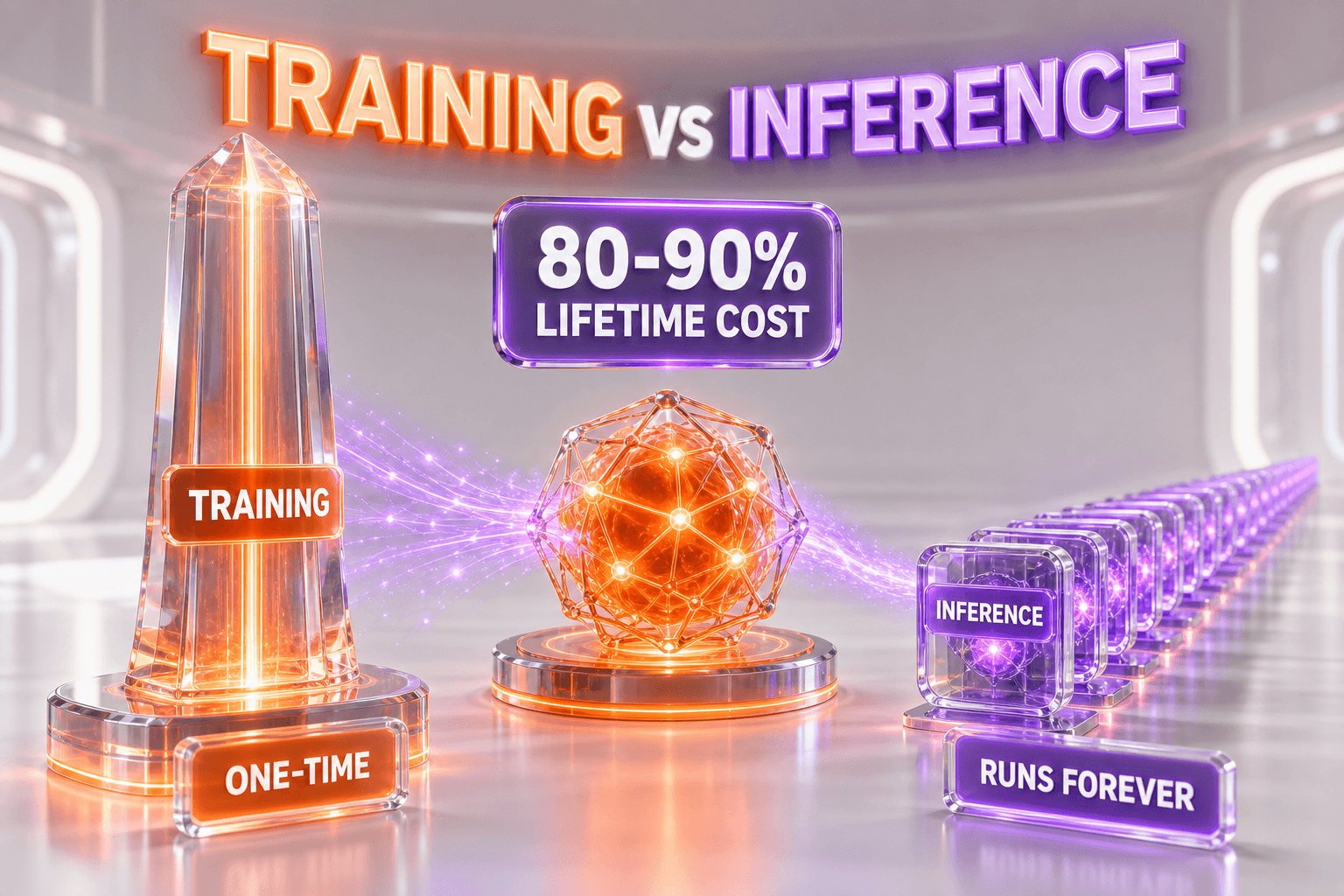
AI has two costs: training a model once, a massive one-time expense, and inference, the recurring cost of answering every request. At scale, inference is roughly 80 to 90 percent of a model's lifetime compute bill. This explainer defines both phases, shows why the training-is-expensive myth breaks at scale, and breaks down what drives inference cost and how to control it.

17 min read
Read
The AI Glossary: 45+ Terms Everyone Should Know (Plain English)
analysis

The AI Glossary: 45+ Terms Everyone Should Know (Plain English)

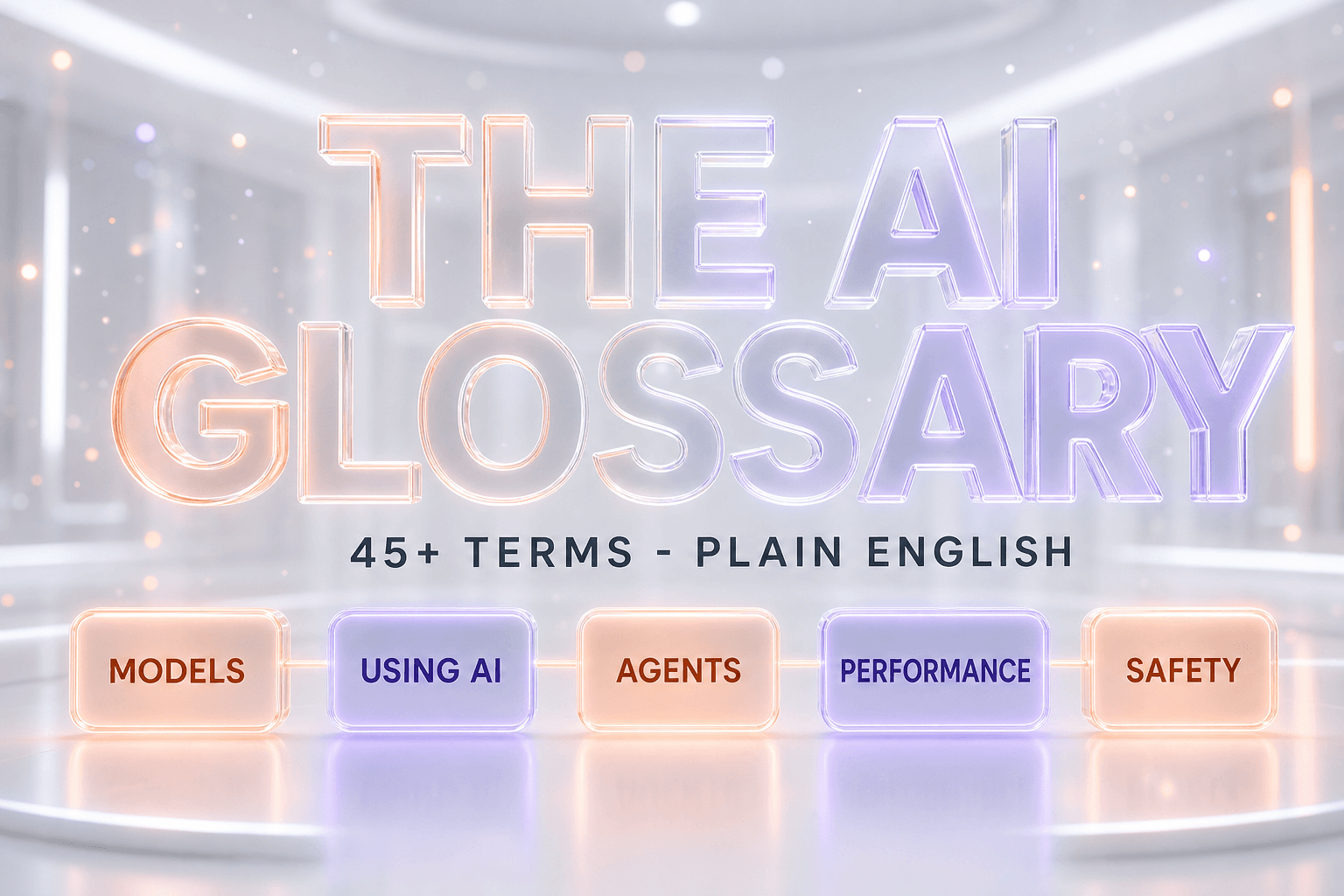
Tokens, agents, RAG, MCP, quantization — decoded. A plain-English glossary of 45+ AI terms, each defined in one or two clear sentences you can trust.

21 min read
Read
RAG vs Fine-Tuning vs Prompt Engineering: Which One Do You Actually Need?
analysis

RAG vs Fine-Tuning vs Prompt Engineering: Which One Do You Actually Need?

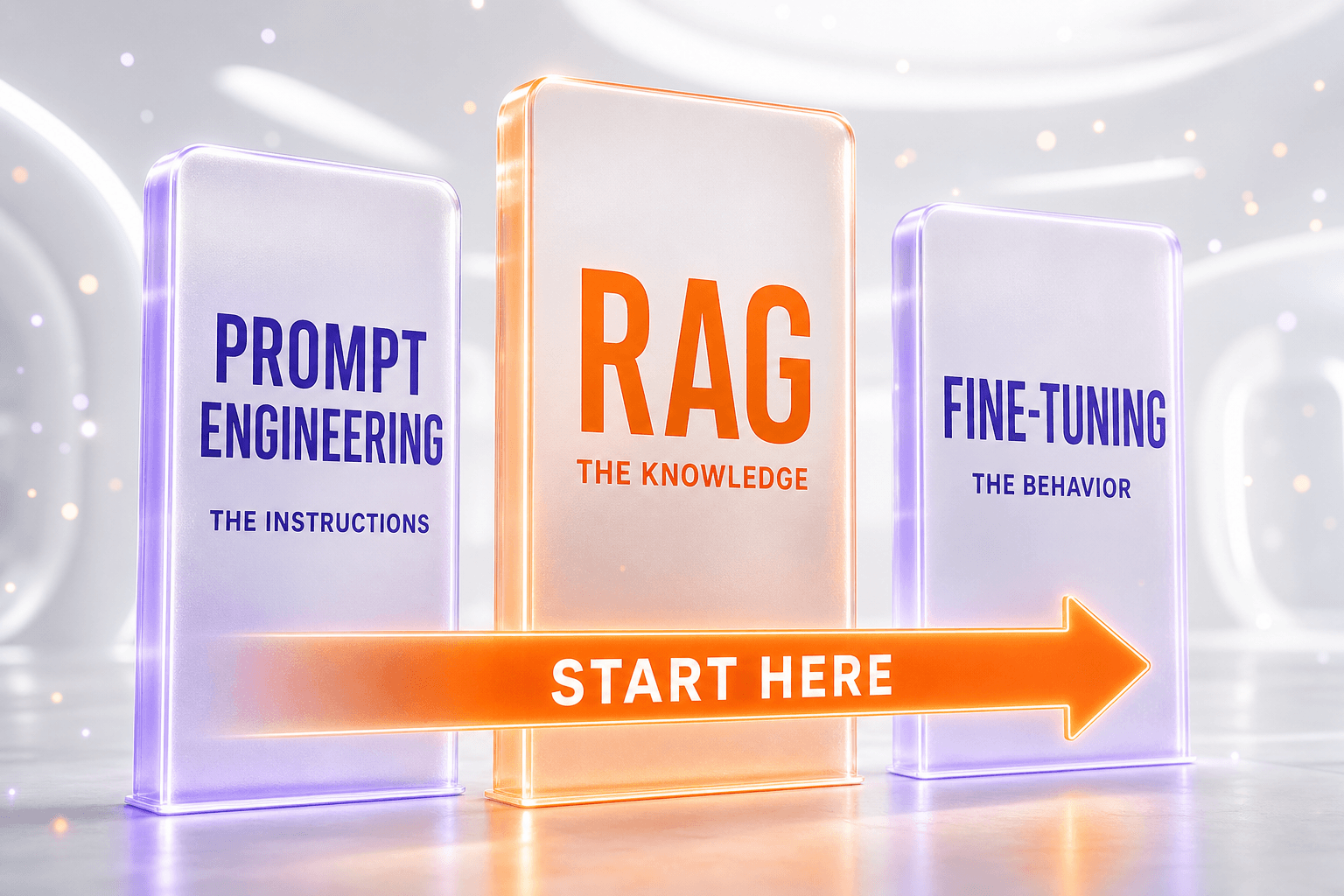
RAG, fine-tuning, and prompt engineering solve different problems. Prompt engineering shapes the instructions, RAG supplies external knowledge, and fine-tuning changes behavior. Start with prompting, add RAG for your own data, and fine-tune only when both fall short.

16 min read
Read
What Is RAG (Retrieval-Augmented Generation)? A Plain-English Explainer
analysis

What Is RAG (Retrieval-Augmented Generation)? A Plain-English Explainer

A plain-English explainer of Retrieval-Augmented Generation (RAG): why it exists, how the retrieve-augment-generate pipeline works, the building blocks, and how it differs from fine-tuning.

19 min read
Read
How Much VRAM Do You Need to Run an LLM? The Full Sizing Table
analysis

How Much VRAM Do You Need to Run an LLM? The Full Sizing Table

How much VRAM to run an LLM? Roughly 2 GB per billion parameters in FP16, about 1 GB in 8-bit, and 0.5 to 0.6 GB in 4-bit, plus 15 to 20 percent overhead. This reference table maps sizes from 7B to 405B-plus across FP16, Q8, and Q4 to the exact hardware that runs them.

14 min read
Read
What Is MCP (Model Context Protocol)? Explained Simply
analysis

What Is MCP (Model Context Protocol)? Explained Simply

MCP (Model Context Protocol) is an open standard — a USB-C port for AI — that lets any model connect to your tools and data through one interface. Created by Anthropic in 2024, now backed by OpenAI and Google.

13 min read
Read
How Do Large Language Models Actually Work? (Plain English)
analysis

How Do Large Language Models Actually Work? (Plain English)

A large language model writes text by repeatedly predicting the most likely next word, one token at a time. This plain-English guide explains next-token prediction, tokens, embeddings, the transformer and attention, two-phase training, and why LLMs hallucinate.

18 min read
Read
What Are AI Agents? How They Work (With Business Use Cases)
analysis

What Are AI Agents? How They Work (With Business Use Cases)

An AI agent is an AI system that pursues a goal: it plans, uses tools like APIs and a browser, acts, checks the result, and repeats until the goal is met — unlike a chatbot, which answers one prompt and stops. Here is how AI agents work and where they fit in a business.

17 min read
Read
AI Model Pricing Explained: Input, Output & Cached Tokens
analysis

AI Model Pricing Explained: Input, Output & Cached Tokens

AI model pricing is charged per token and split into input, output, and cached rates, with output typically 3 to 5 times pricier than input and cached input around 90% cheaper. This explainer decodes the dual rate, prompt caching, batch and long-context tiers, and shows a worked cost example.

14 min read
Read
What Is an Agentic Coding Model? (And How It Differs From a Chatbot)
analysis

What Is an Agentic Coding Model? (And How It Differs From a Chatbot)

An agentic coding model is an AI that plans a task, uses tools, drives a terminal or browser, edits a real codebase across many steps, and self-corrects until the goal is done. A chatbot answers one prompt; autocomplete finishes a line. This is the founding distinction of the 2026 coding-model era.

14 min read
Read
Closed vs Open-Weight AI Models: How to Actually Choose (2026)
analysis

Closed vs Open-Weight AI Models: How to Actually Choose (2026)

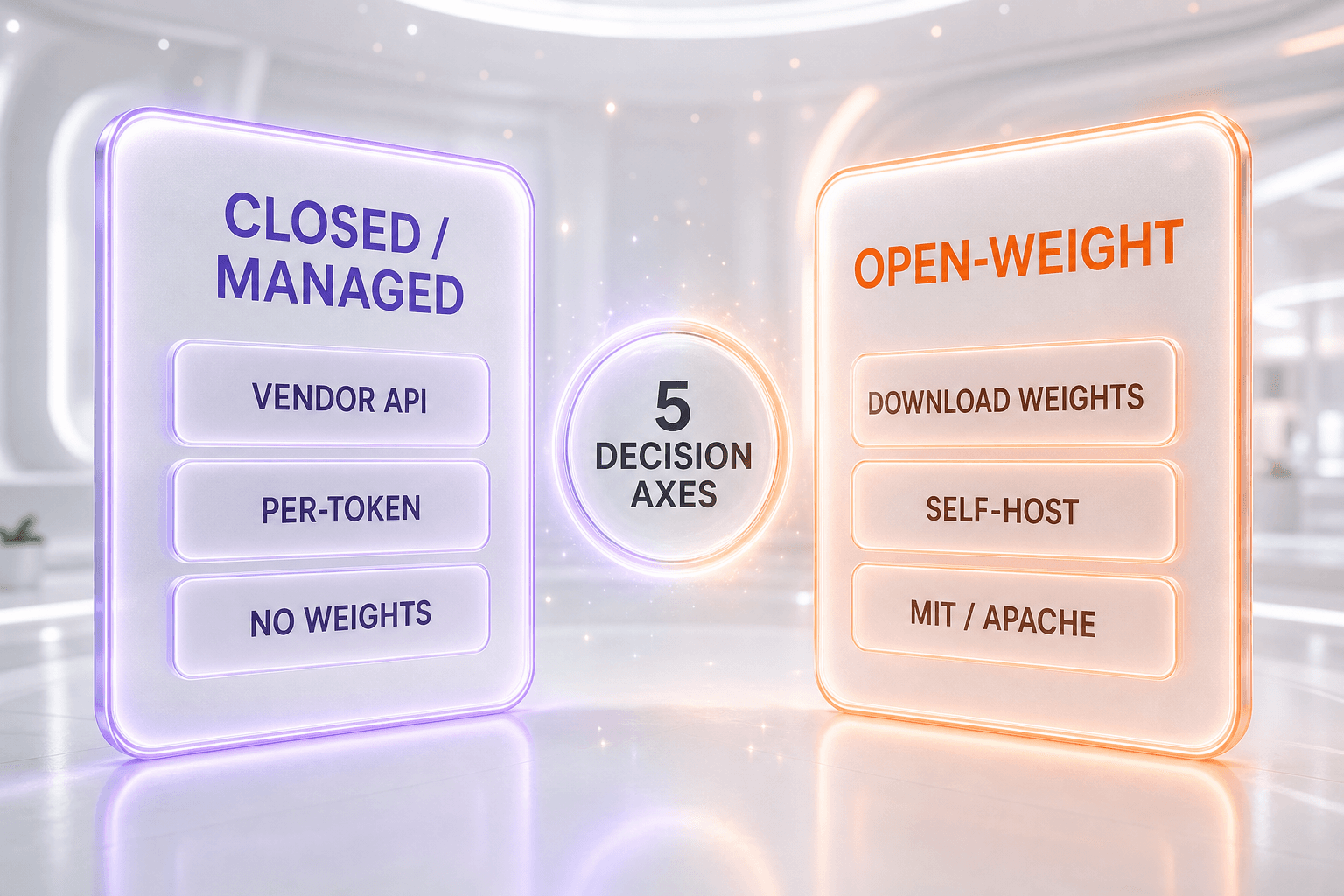
Closed vs open-weight AI models come down to who holds the weights. This decision grid weighs cost, control and data residency, security, ecosystem, and performance parity, then maps concrete usage profiles to the right choice.

13 min read
Read
SWE-bench Pro vs SWE-bench Verified: Why These AI Coding Scores Don't Compare
analysis

SWE-bench Pro vs SWE-bench Verified: Why These AI Coding Scores Don't Compare

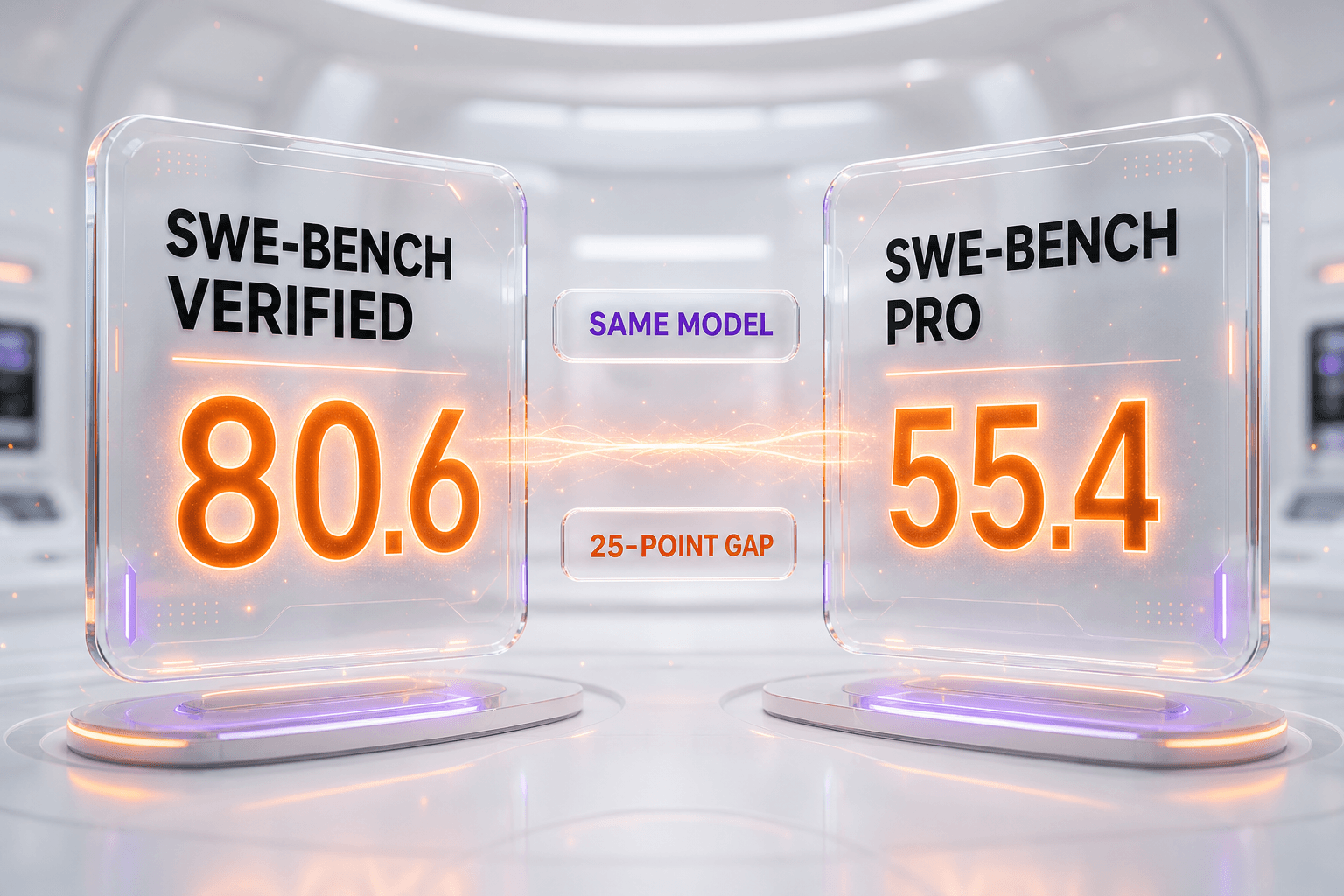
SWE-bench Verified and SWE-bench Pro are two different AI coding benchmarks — Verified is an easier 500-task subset, Pro is a harder, contamination-resistant test. The same model can score 80.6 on Verified and 55.4 on Pro, which is why the two scores cannot be compared.

12 min read
Read