Learn from developers who build with these tools daily.
15 guides available
Clone your voice with ElevenLabs in 45 minutes. Intermediate tutorial. You'll record clean samples, choose IVC or PVC, tune stability and similarity, run TTS via API, and ship an ethical workflow. Stack: ElevenLabs Creator tier, Python 3.11+, requests.
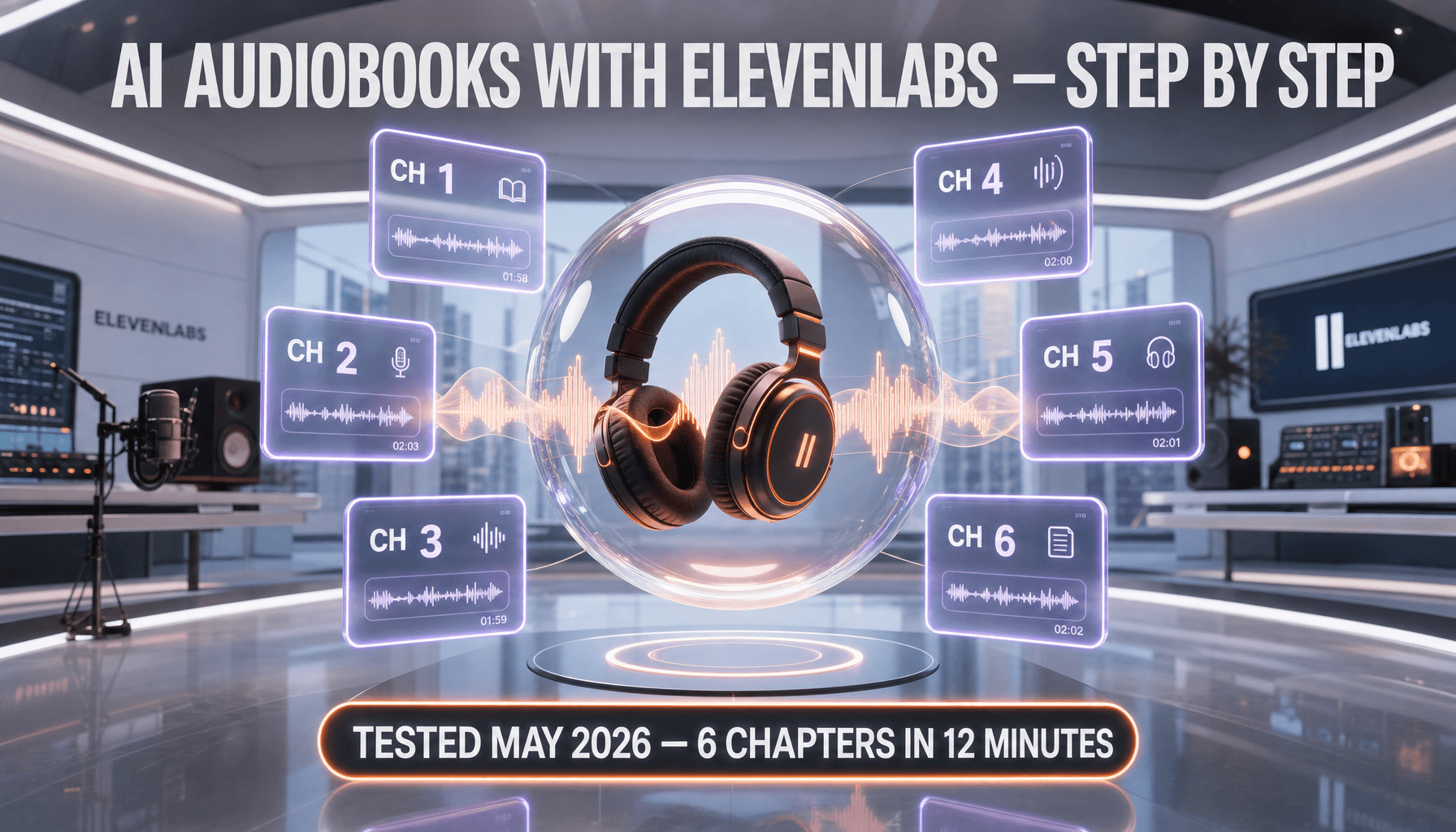
Make a publishable AI audiobook with ElevenLabs in 45 minutes. Beginner guide. You'll pick a voice, split chapters, configure settings, generate, master, and distribute. Stack: ElevenLabs Studio, FFmpeg, Findaway Voices.
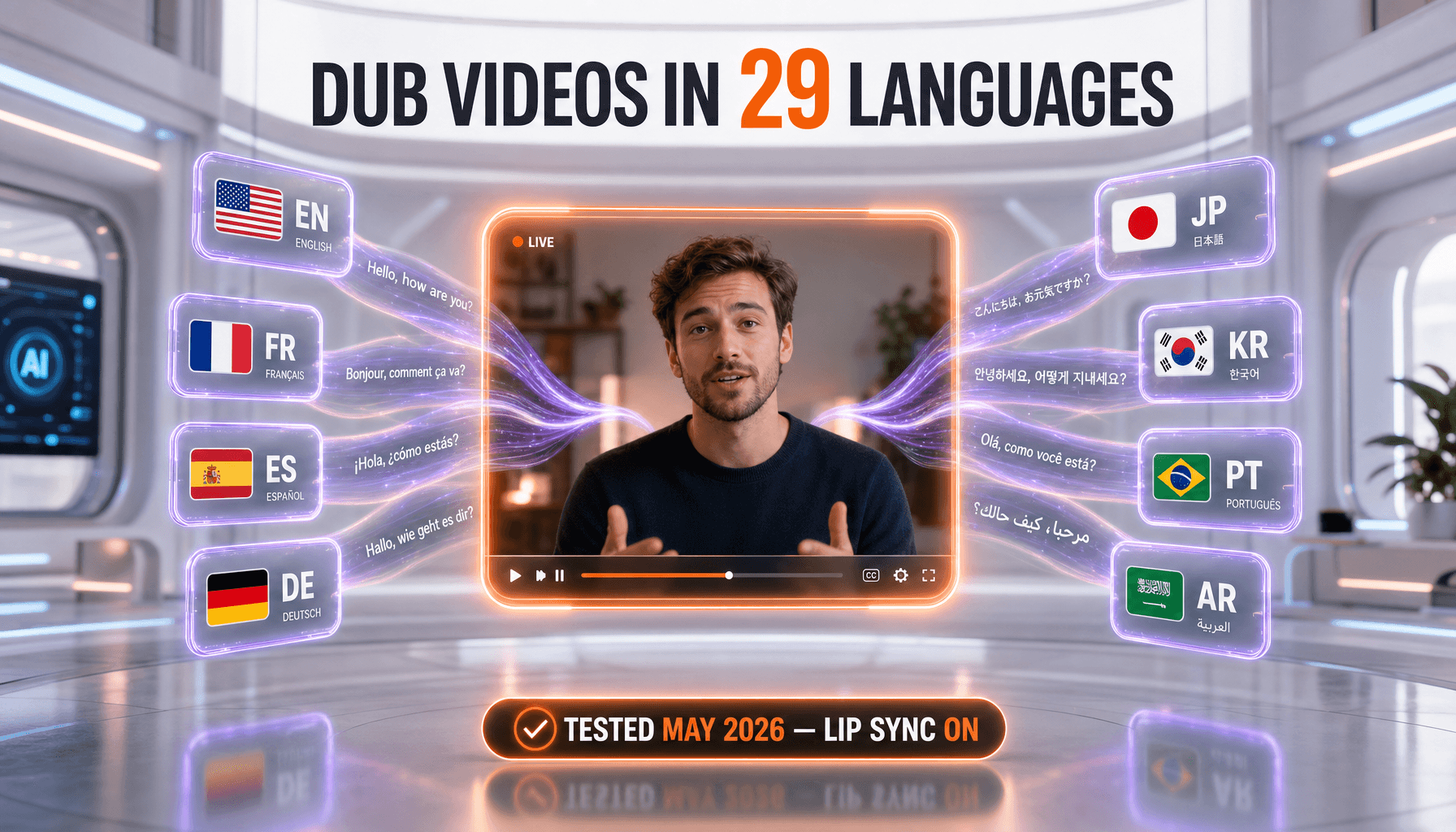
Dub a video into 29 languages with ElevenLabs Dubbing Studio in 25 minutes. Beginner tutorial. You'll upload a source video, configure target language, edit translation, tune voice match plus timing, and export MP4 with SRT subtitles. Stack: ElevenLabs Studio, browser.
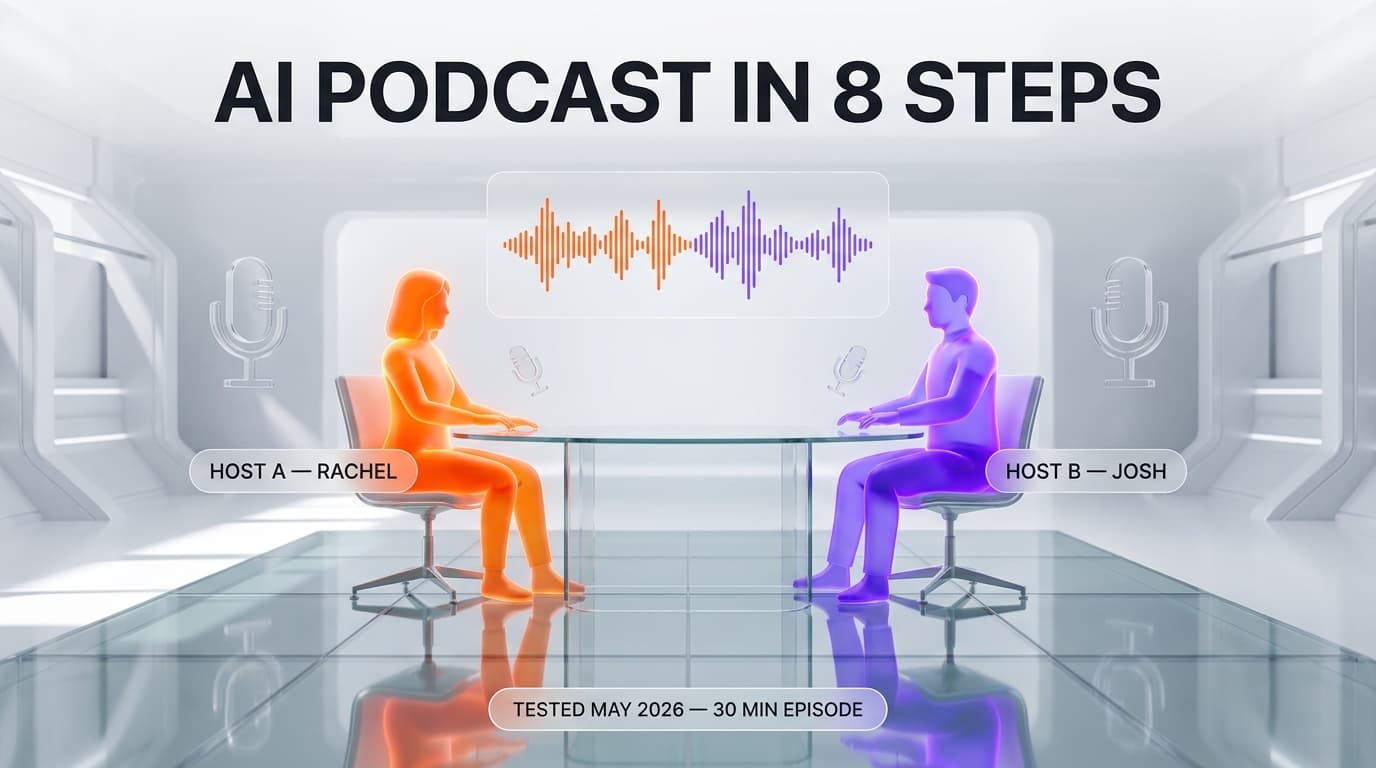
Make a polished AI podcast with ElevenLabs in 90 minutes. Beginner tutorial. You'll pick distinct voices, generate dialogue with Eleven v3, add intro music, master in Descript, and publish to Spotify. Stack: ElevenLabs Studio, Descript, Spotify for Podcasters.
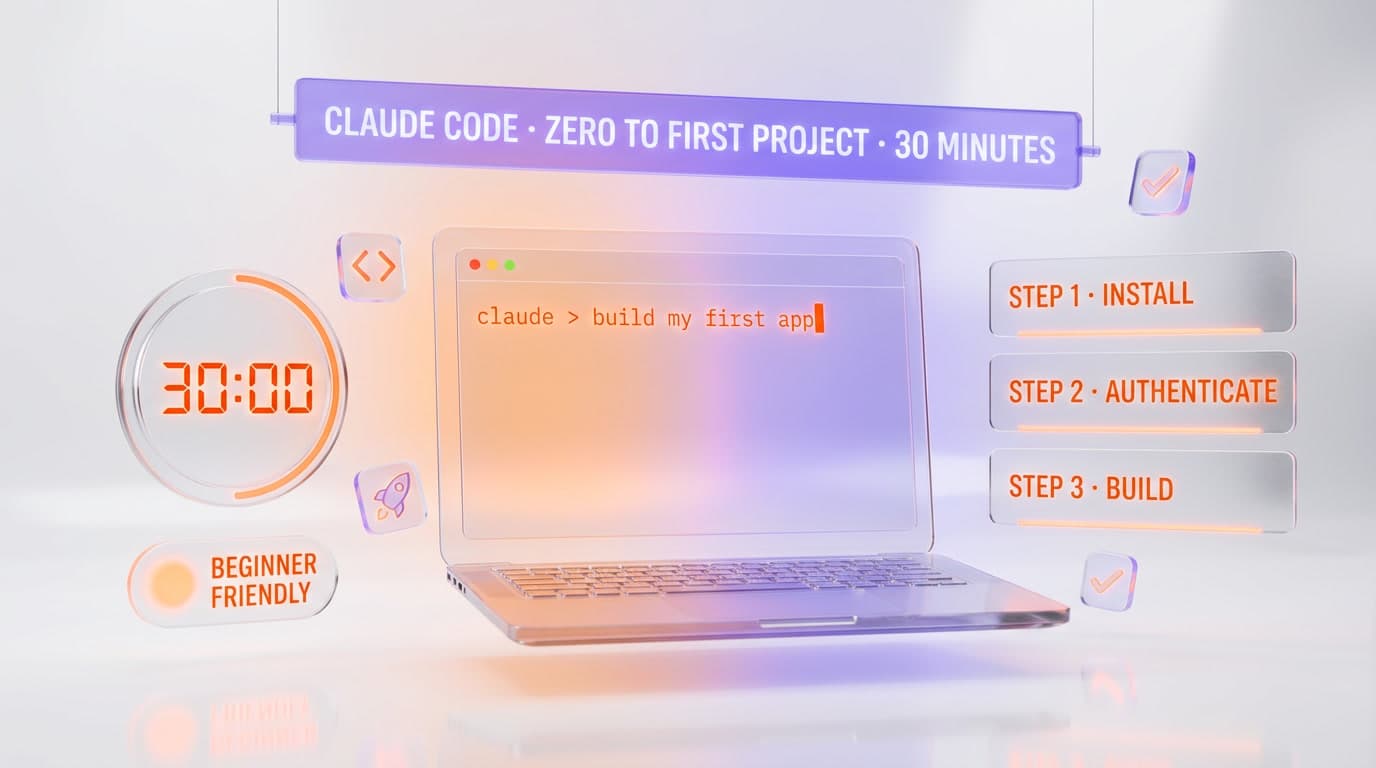
Claude Code is Anthropic's terminal-first AI coding agent powered by Claude Opus 4.6. It costs $20/month on Pro, installs in one npm command, and takes about 30 minutes to ship your first real feature — this guide walks you there, step by step.
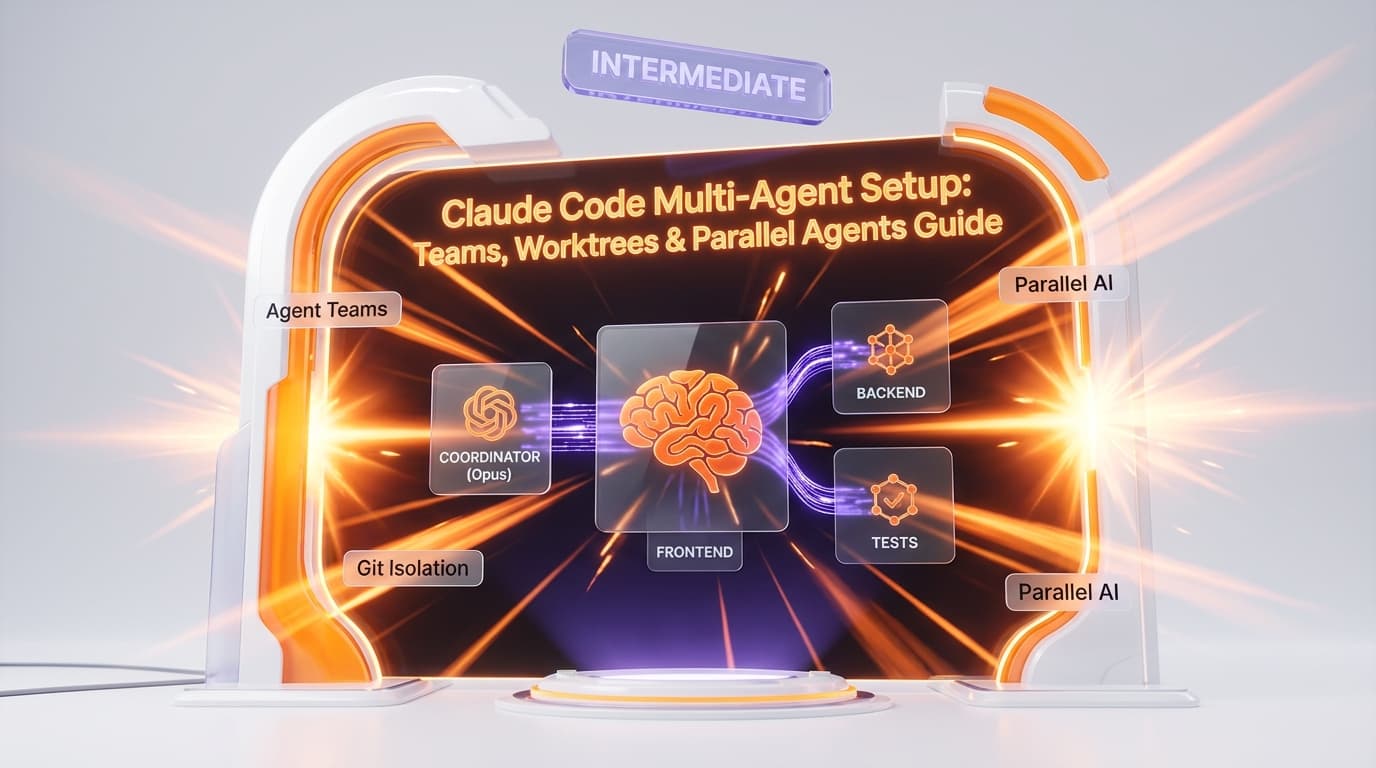
Step-by-step guide to setting up multi-agent workflows in Claude Code. Agent Teams, Coordinator Mode, Worktrees, background sessions, and custom agent definitions. Based on leaked source code analysis.
Practical cookbook with 20 copy-paste automation recipes for Claude Code hooks and skills. PreToolUse, PostToolUse, SessionStart, custom agents, MCP servers — all discovered via the v2.1.88 leak analysis.
Complete guide to 40+ hidden and undocumented commands in Claude Code discovered in the v2.1.88 source leak. /btw, /buddy, /branch, /mobile, /plugin and more — all tested and verified. Copy-paste ready.
Ultimate guide to Claude Code memory system. 4-layer architecture (CLAUDE.md, Auto Memory, Session, AutoDream), compaction strategies, context variables, and the leaked dream consolidation system. Maximize every token.
Q1 2026 delivered GPT-5.4 with native computer use and a 1M-token context, Claude Opus 4.6 with 128k output and adaptive thinking, and Gemini 3.1 Pro scoring 77.1% on ARC-AGI-2. Cursor surpassed $2B ARR at a $50B valuation, every major IDE shipped multi-agent parallel coding, and Seedance 2.0 brought Hollywood-grade AI video generation to consumer pricing.
A production-tested SaaS stack built on Next.js 16 App Router with 80% Server Components, Supabase for PostgreSQL/auth/storage, Tailwind CSS v4 with the Rust-based Oxide engine, and Vercel for edge deployment with ISR. Total monthly cost runs under $50 for early-stage products, with Claude API and n8n handling AI features and workflow automation.
In 2026, SEO requires three disciplines: traditional search optimization for Google, Generative Engine Optimization (GEO) for AI citation in ChatGPT/Claude/Perplexity via structured 40-word answer blocks, and Answer Engine Optimization (AEO) prioritizing factual density over keyword density. Implementing llms.txt, FAQ schema with prompt-matched questions, and E-E-A-T signals now determines visibility across both search engines and AI answer engines.