Nano Banana Pro
Google's most powerful AI image generation model — state-of-the-art photorealism, 4K native, 94% text accuracy

Quick Summary
Nano Banana Pro is Google DeepMind's flagship AI image generation model (Gemini 3 Pro Image). Score 9.3/10. $0.134/image at 2K, $0.24 at 4K. Best-in-class photorealism, 94% text rendering accuracy, multi-turn editing. The model we use when photorealism matters.
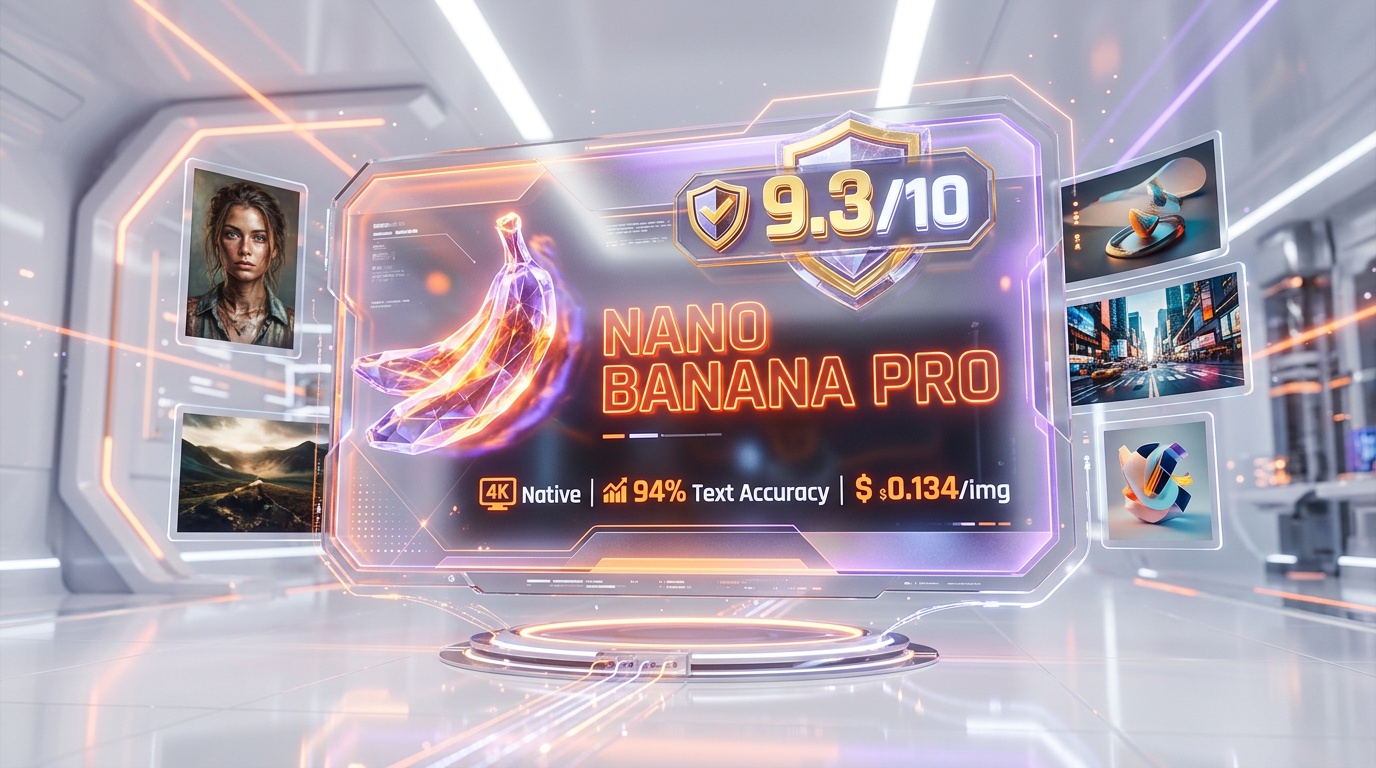
Nano Banana Pro is Google DeepMind's flagship AI image generation model, built on the Gemini 3 Pro architecture and released November 20, 2025. It generates photorealistic images at native 4K resolution (4096x4096) with 94% text rendering accuracy — the highest in the industry. We scored Nano Banana Pro 9.3 out of 10. API pricing starts at $0.134 per image (2K) and $0.24 per image (4K), with batch processing cutting costs by 50%. We use Nano Banana Pro daily for photorealistic work and nothing we've tested matches it.
What Is Nano Banana Pro?
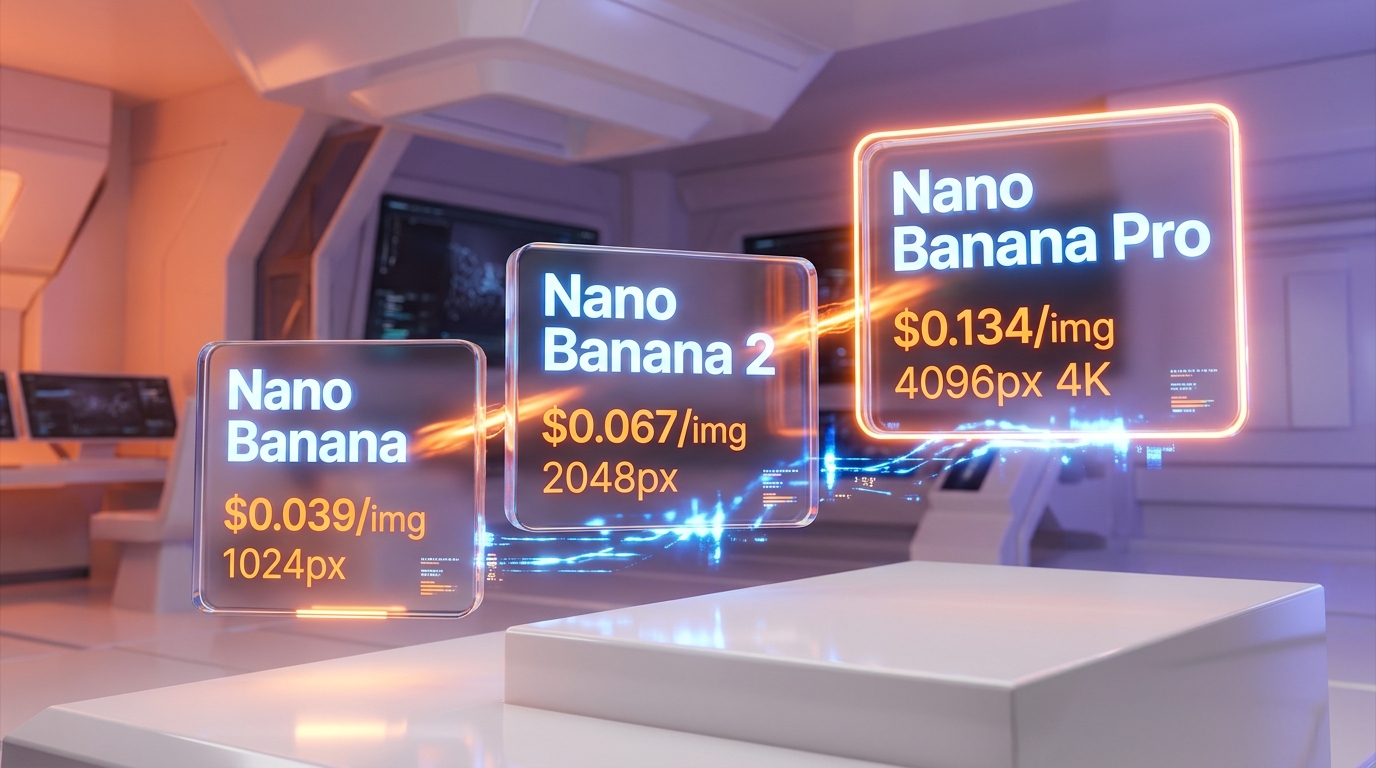
Nano Banana Pro — officially Gemini 3 Pro Image (model ID: gemini-3-pro-image-preview) — is Google DeepMind's most advanced image generation and editing model. It sits at the top of Google's three-model Nano Banana family: the original Nano Banana ($0.039 per image), Nano Banana 2 ($0.067 per image), and Nano Banana Pro ($0.134 per image).
What separates Nano Banana Pro from every other model we've tested — and we've tested them all — is the combination of deep reasoning and visual synthesis. This isn't just a diffusion model that interpolates between training images. It's a multimodal AI that understands what you're asking for, reasons about composition, lighting, physics, and text placement, then generates accordingly. The result is images that look like they came from a professional photo studio, not an AI pipeline.
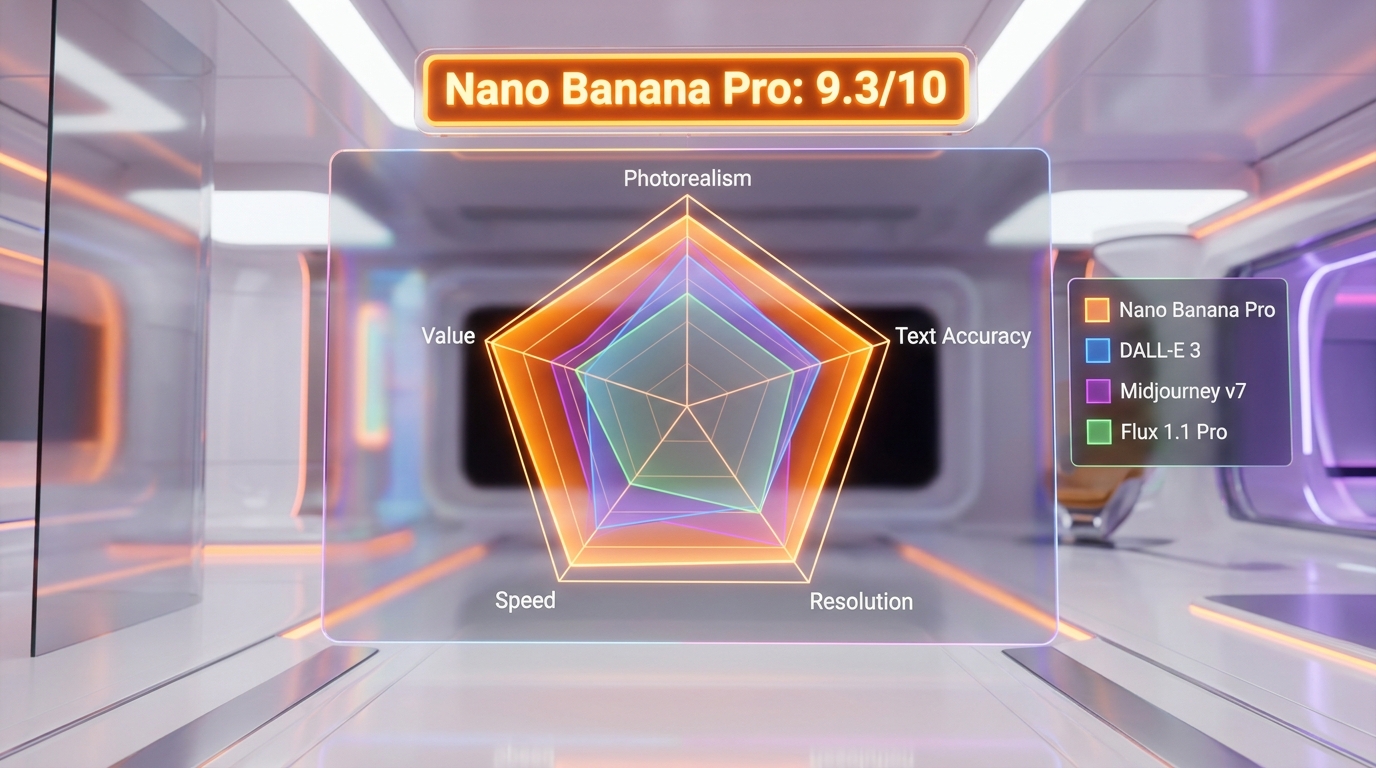
We scored Nano Banana Pro 9.3 out of 10, with Features at 9.5 out of 10 (unmatched 4K native + text accuracy), Value at 9.0 out of 10 (premium but justified), Ease of Use at 9.0 out of 10 (Google AI Studio makes onboarding painless), and Support at 9.5 out of 10 (Google Cloud documentation is comprehensive). Best for: creative agencies, e-commerce brands, enterprise marketing teams, and any developer who needs photorealistic output with accurate text rendering.
Pricing at a Glance
| Resolution | Standard Price | Batch Price | Speed |
|---|---|---|---|
| 1K (1024px) | $0.134 per image | $0.067 per image | 8-12 sec |
| 2K (2048px) | $0.134 per image | $0.067 per image | 10-15 sec |
| 4K (4096px) | $0.240 per image | $0.120 per image | 30-60 sec |
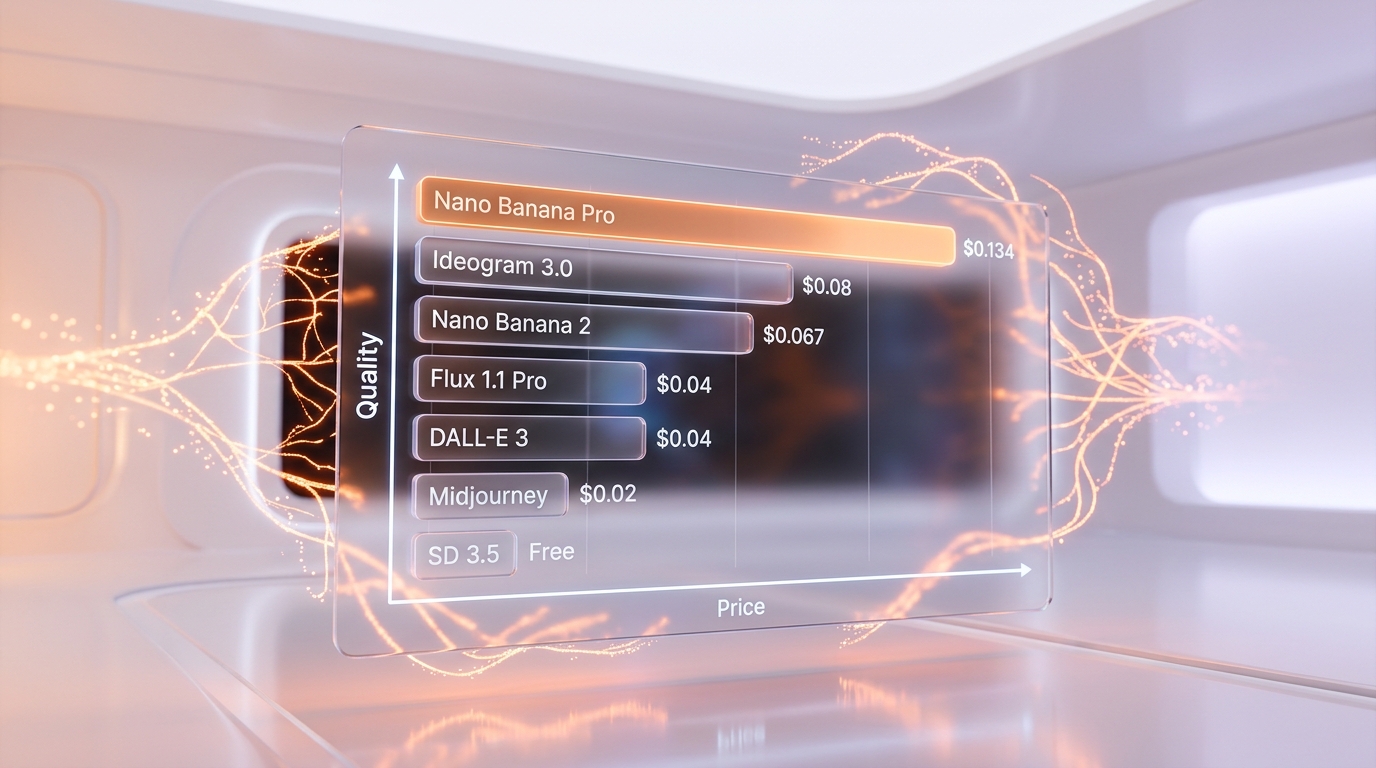
For context: DALL-E 3 costs $0.040-$0.120 per image (but caps at 1792px), Midjourney v7 costs $0.01-$0.04 per image on subscription (caps at 1024px native), Flux 1.1 Pro runs $0.04 per image via API, and Stable Diffusion 3.5 is free to run locally but requires GPU infrastructure. Nano Banana Pro is the most expensive per-image, but it's also the only model that delivers native 4K photorealism with near-perfect text rendering. You get what you pay for.
Text input tokens cost $2.00 per million, and image output pricing is flat per image regardless of prompt complexity. Google AI Studio offers free playground access with a generous 1,500 images per day limit for testing — which is how we originally fell in love with the model before committing to production API usage.
Our Experience with Nano Banana Pro
We've been using Nano Banana Pro daily for months, generating thousands of images across every scenario we could throw at it. The photorealism is staggering — product shots, portrait-style compositions, and complex multi-element scenes all come out looking like professional photography. We also use Nano Banana 2 (via Leonardo.ai) for all of our site's glassmorphism-style images, but when we need photorealism — product mockups, realistic people, or images with readable text — Banana Pro is the only model we reach for. After testing every major competitor head-to-head, nothing matches it.
Core Features Deep Dive
Photorealistic Image Generation — Nothing Else Comes Close
The headline capability. Nano Banana Pro generates images with a level of photorealism that makes other models look synthetic by comparison. Skin textures, fabric weaves, metallic reflections, water caustics — the model handles micro-detail at a level we haven't seen from DALL-E 3, Midjourney v7, or Flux 1.1 Pro.
In our hands-on testing, we ran identical prompts through every major model. Nano Banana Pro consistently produced images that required the least post-processing. Lighting was natural, shadows were physically accurate, and compositional balance was intuitive — the model seems to understand photography principles, not just pixel patterns.
The difference is especially stark for product photography. E-commerce teams can generate catalog-ready images directly from the API without the manual retouching typically required with DALL-E 3 or Stable Diffusion outputs.
94% Text Rendering Accuracy — The Industry Benchmark
This is the feature that changed the game. Nano Banana Pro renders text inside images with 94% accuracy on headlines, CTAs, and branded text. For comparison, Midjourney v7 manages around 71% accuracy, and DALL-E 3 sits somewhere in the 80-85% range depending on complexity.
In practice, this means you can generate marketing banners, social media graphics, infographics, and presentation slides with legible text directly from the model — no Photoshop layer required. The model handles multilingual text including Chinese, Japanese, Korean, and Arabic characters with minimal errors.
We tested it with complex scenarios: multi-line text on curved surfaces, small-font pricing tables inside images, and brand logos with specific typography. Banana Pro nailed about 9 out of 10 attempts cleanly on the first try. The remaining failures were edge cases (very small font at extreme angles) that no model handles well.
Native 4K Resolution (4096x4096) — Print-Ready from the API
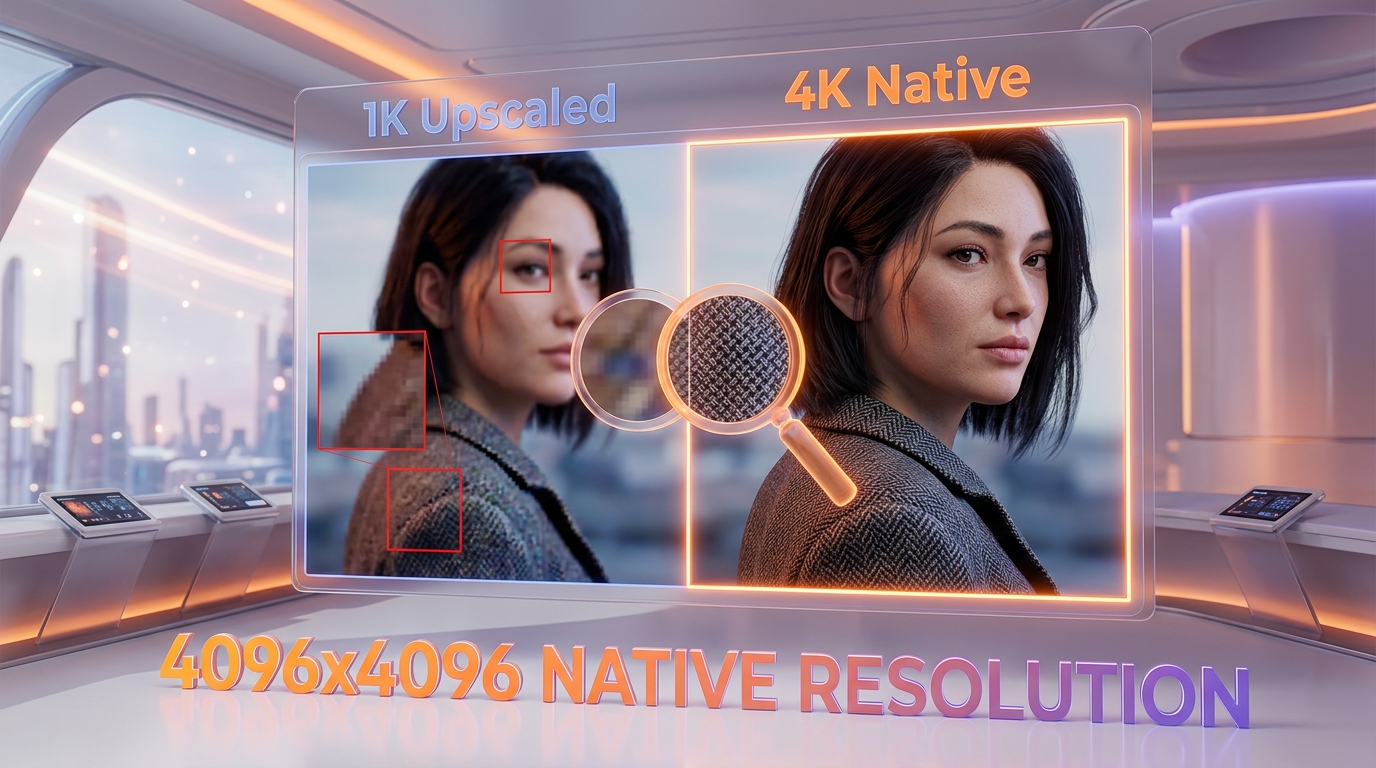
Nano Banana Pro generates images natively at 1K, 2K, and 4K resolutions. This is native generation, not upscaling — the model renders at 4096x4096 pixels with full detail at every scale. For comparison, DALL-E 3 maxes out at 1792x1024, Midjourney v7 generates at 1024x1024, and Flux 1.1 Pro caps at 1024px without upscaling.
The 4K output is detailed enough for print materials, large-format displays, and professional design work. We've used it for billboard-quality renders and packaging mockups where pixel density matters. At $0.24 per image for 4K (or $0.12 in batch mode), the cost-per-pixel is actually competitive when you factor in the alternative: generating at 1024px and running a separate upscaling pipeline.
Multi-Turn Conversational Editing
Nano Banana Pro supports multi-turn image editing through natural language. Generate an image, then ask "make the background a sunset" or "remove the person on the left" or "change the font to bold serif" — all through conversation, no masking layers required.
In our testing, the editing pipeline maintains subject identity remarkably well across turns. We iterated on product shots through 5-6 rounds of refinement without the model losing coherence or drifting from the original composition. This is a workflow game-changer for teams that iterate heavily during creative reviews.
The model can accept up to 14 reference images simultaneously for style transfer, mood boards, and fine-grained detail control. We fed it brand guidelines (logo, color palette, typography samples) as reference images and it generated on-brand assets that actually matched our specifications.
Thinking Mode for Complex Compositions
Nano Banana Pro introduces a "thinking mode" — the model reasons through complex, hierarchical instructions before generating the image. When you ask for a scene with multiple elements, specific spatial relationships, text placement, and lighting conditions, the thinking mode processes the logic of your prompt before committing to pixel generation.
The result is dramatically better compliance with complex prompts. Simple models often ignore parts of long prompts or blend conflicting instructions. Banana Pro's reasoning engine parses the intent, resolves ambiguities, and produces output that actually matches what you asked for. In our experience, prompt compliance on complex multi-element scenes is roughly 85-90% — versus 60-70% on DALL-E 3 and 70-80% on Midjourney v7.
SynthID Digital Watermarking
Every image generated by Nano Banana Pro carries a SynthID digital watermark — an imperceptible signature embedded directly into the image data. This watermark survives resizing, cropping, JPEG compression, and most common transformations. It allows downstream tools and platforms to identify AI-generated content.
For enterprise customers, this is a compliance feature: EU AI Act requirements, platform content policies, and internal governance all benefit from built-in provenance tracking. The watermark doesn't affect visual quality — we've pixel-compared watermarked and non-watermarked versions and the difference is invisible to the human eye.
Pricing Breakdown
Nano Banana Pro uses a per-image pricing model with volume discounts through batch processing.
| Pricing Tier | Input (Text) | Output (Image) | Notes |
|---|---|---|---|
| Standard (1K/2K) | $2.00 per million tokens tokens | $0.134 per image | Real-time, single image |
| Standard (4K) | $2.00 per million tokens tokens | $0.240 per image | Real-time, single image |
| Batch (1K/2K) | $1.00 per million tokens tokens | $0.067 per image | Async, 50% discount |
| Batch (4K) | $1.00 per million tokens tokens | $0.120 per image | Async, 50% discount |
| AI Studio Playground | Free | Free | 1,500 images per day limit |
Compared to the rest of the Nano Banana family: the original Nano Banana (Gemini 2.5 Flash Image) costs $0.039 per image, and Nano Banana 2 (Gemini 3.1 Flash Image) costs $0.067 per image. Banana Pro is 2x the cost of Nano Banana 2 and 3.4x the original — but delivers materially better photorealism and text accuracy.
Against competitors: DALL-E 3 starts at $0.016 per image (standard quality via API) making it the cheapest option, but caps at 1792px with lower photorealism. Midjourney v7 on their Pro plan ($96 per month) gives unlimited generations, which at volume works out to pennies per image — but you're locked into their Discord/web interface with no API access for production pipelines. Flux 1.1 Pro via Replicate costs about $0.04 per image. Stable Diffusion is free to self-host but requires $0.50-$2.00 per hour GPU infrastructure.
Our honest assessment: if you need photorealism and text accuracy, Nano Banana Pro's premium is justified. If you need artistic stylization, Midjourney v7 gives more creative range. If you need volume at minimum cost, DALL-E 3 or Stable Diffusion wins. If you want the best balance of quality, speed, and cost, Nano Banana 2 at $0.067 per image is the smart middle ground — which is exactly why we use it for our daily glassmorphism image generation via Leonardo.ai.
The Nano Banana Family — Which Model Should You Use?
Google now offers three Nano Banana models, each optimized for different use cases. Understanding the family is critical to picking the right tool for your workflow.
Nano Banana (Gemini 2.5 Flash Image) — $0.039 per image
The original. Built on the Gemini 2.5 Flash architecture, it's the fastest and cheapest in the family. Good for high-volume generation where speed matters more than maximum quality. It lacks 4K support and its text rendering is noticeably weaker than Pro, but at $0.039 per image it's hard to argue with the price-performance ratio for non-critical visuals.
Nano Banana 2 (Gemini 3.1 Flash Image) — $0.067 per image
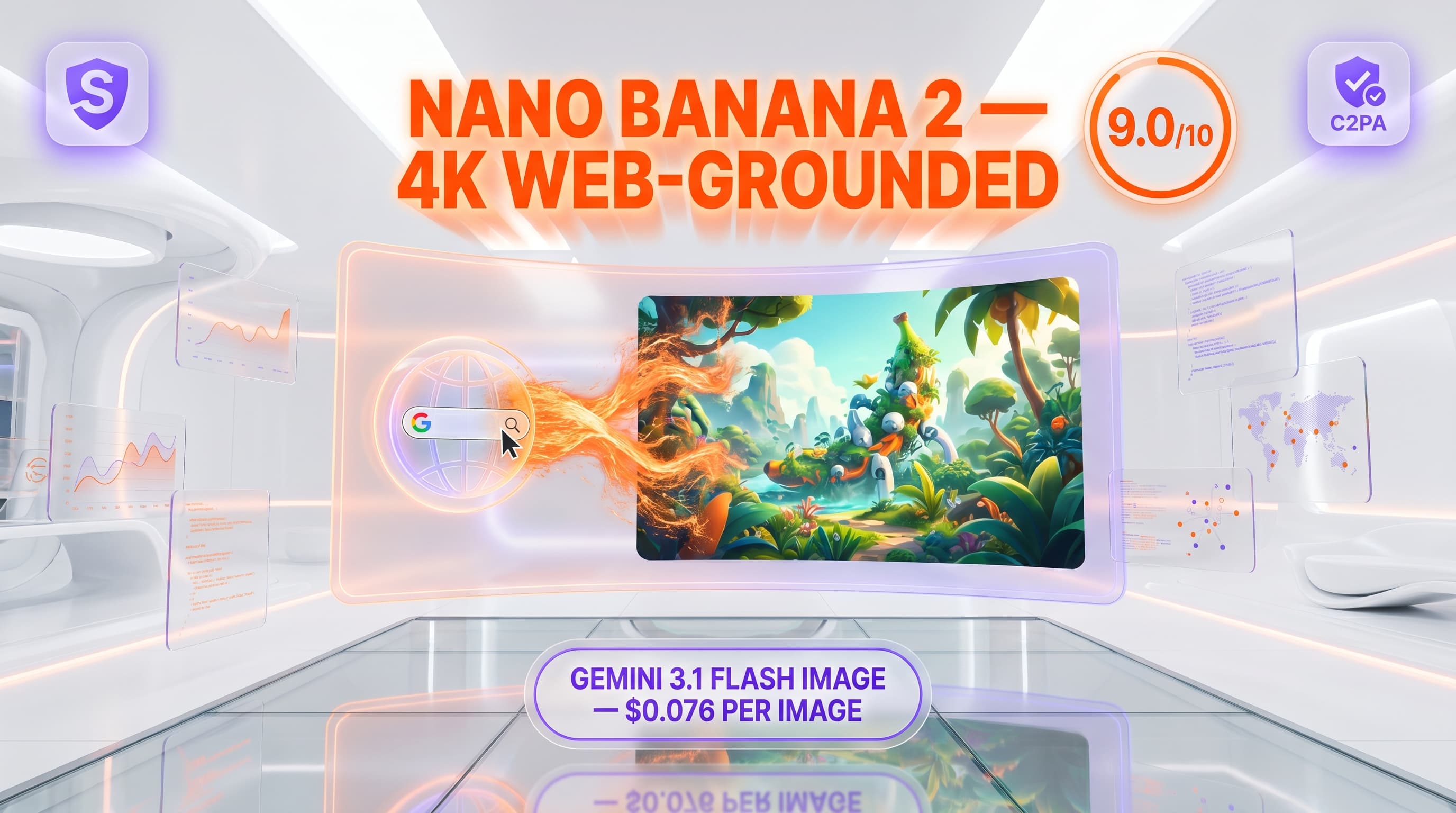
The middle child — and our daily driver. Built on Gemini 3.1 Flash, it achieves roughly 95% of Pro's image quality at half the cost. Its unique advantage: Image Search Grounding, which pulls real-world reference data from Google Search during generation. This makes it exceptionally good at rendering real landmarks, brand logos, and public figures accurately. Nano Banana Pro does not have this feature.
We use Nano Banana 2 via Leonardo.ai for all the glassmorphism-style images on ThePlanetTools.ai — the quality-to-cost ratio is unbeatable for our volume. Generation speed is also 2-3x faster than Pro (4-6 seconds vs 8-12 seconds at 2K).
Nano Banana Pro (Gemini 3 Pro Image) — $0.134 per image
The flagship. When photorealism is non-negotiable — product photography, marketing hero images, print materials — this is the only model in the family that delivers. The thinking mode, native 4K, and 94% text accuracy put it in a different class. The premium is worth it for high-stakes creative work where a single image can drive thousands of dollars in conversions.
| Feature | Nano Banana | Nano Banana 2 | Nano Banana Pro |
|---|---|---|---|
| Model Base | Gemini 2.5 Flash | Gemini 3.1 Flash | Gemini 3 Pro |
| Price/Image | $0.039 | $0.067 | $0.134 |
| Max Resolution | 1024px | 2048px | 4096px (4K) |
| Text Accuracy | ~80% | ~90% | ~94% |
| Speed (2K) | 3-5 sec | 4-6 sec | 8-12 sec |
| Search Grounding | No | Yes | No |
| Multi-turn Edit | Basic | Yes | Advanced (14 refs) |
| Thinking Mode | No | No | Yes |
| Best For | Volume/speed | Balanced quality | Maximum quality |
API & Developer Experience
Nano Banana Pro is available through three access points: Google AI Studio (free playground + paid API), the Gemini API (direct REST/gRPC), and Google Cloud Vertex AI (enterprise-grade with VPC, IAM, and compliance controls).
API Integration
The API accepts standard Gemini format requests with the model ID gemini-3-pro-image-preview. You send a text prompt (optionally with reference images as multimodal input) and receive the generated image in your chosen format. The SDK support covers Python, Node.js, Go, Java, and REST — standard Google Cloud fare.
In practice, integration took us about 30 minutes from API key to first generated image. The documentation is extensive (this is Google, after all), and the AI Studio playground lets you test prompts interactively before committing to code. The 1,500 free images per day in AI Studio is genuinely generous for prototyping and testing.
Batch Processing
For production workloads, the batch API is the cost play. Submit jobs asynchronously and get results at 50% of the standard per-image price. We use batch processing for bulk product shot generation — submit 100+ prompts, come back in a few minutes, download all results. The tradeoff is latency (no real-time streaming), which is fine for scheduled content pipelines.
Google Workspace Integration
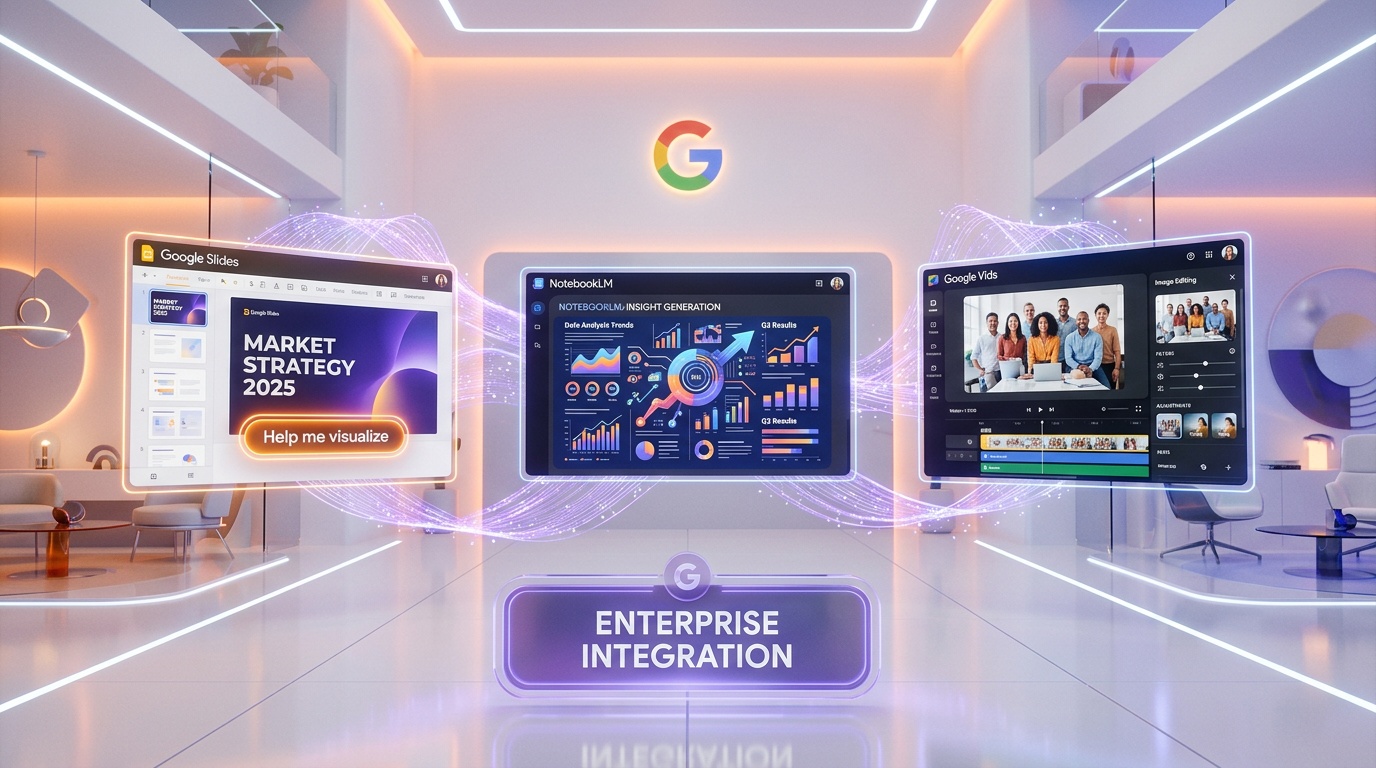
Nano Banana Pro is integrated into Google Slides ("Help me visualize" + "Beautify this slide"), Google Vids (generate and edit images with multi-turn prompting), and NotebookLM (visualize insights as infographics and slide decks). For enterprise teams already in the Google ecosystem, this means AI image generation is embedded directly in the tools they already use — no separate platform, no export/import friction.
The Workspace integration is available to Google Workspace Business Standard and Plus, Enterprise users, and Google AI Pro/Ultra subscribers. Google offered 60 days of promotional higher usage limits at launch.
Who Should Use Nano Banana Pro?
Ideal Users
- E-commerce teams who need product photography at scale without studio costs
- Creative agencies producing marketing assets with text overlays (banners, social graphics, ads)
- Enterprise marketing departments already in Google Workspace who want embedded image generation
- Print designers who need native 4K resolution for large-format output
- Content teams generating infographics and data visualizations with accurate text
- Developers building image generation pipelines where photorealism is the benchmark
Who Should Look Elsewhere
- Artists and illustrators seeking stylized or artistic output — Midjourney v7 offers more creative range
- Budget-constrained projects generating thousands of images per day — Nano Banana 2 or DALL-E 3 is more cost-effective
- Open-source advocates who want to self-host — Stable Diffusion 3.5 or Flux offer local deployment
- Teams needing Image Search Grounding for real-world reference accuracy — that's a Nano Banana 2 exclusive
Nano Banana Pro vs The Competition
vs DALL-E 3 (OpenAI)
DALL-E 3 is the most accessible model (built into ChatGPT), the cheapest via API ($0.016-$0.120 per image), and handles creative prompts well. But photorealism is a tier below Banana Pro, text accuracy is around 80-85%, and max resolution caps at 1792px. DALL-E 3 wins on price and accessibility. Nano Banana Pro wins on quality, resolution, and text accuracy. If photorealism matters, Pro is the better investment. OpenAI's current image model is GPT Image 2 rather than DALL-E 3, and it resets that matchup entirely: GPT Image 2 versus Nano Banana Pro ends level, GPT Image 2 taking text rendering and layout reasoning, Pro keeping photorealism, multi-turn editing and 4K batch cost.
vs Midjourney v7
Midjourney v7 is the creativity champion — its artistic stylization, mood, and composition are unmatched. But it struggles with text rendering (71% accuracy), has no API for production pipelines, caps at 1024px native resolution, and requires a subscription ($10-$120 per month). Banana Pro wins on photorealism, text accuracy, resolution, and API access. Midjourney wins on artistic creativity and subscription economics at high volume. We scored the current versions of both properly in Nano Banana Pro versus Midjourney, and it splits along that same seam — correctness and scale on one side, mood and exploration on the other.
vs Flux 1.1 Pro (Black Forest Labs)
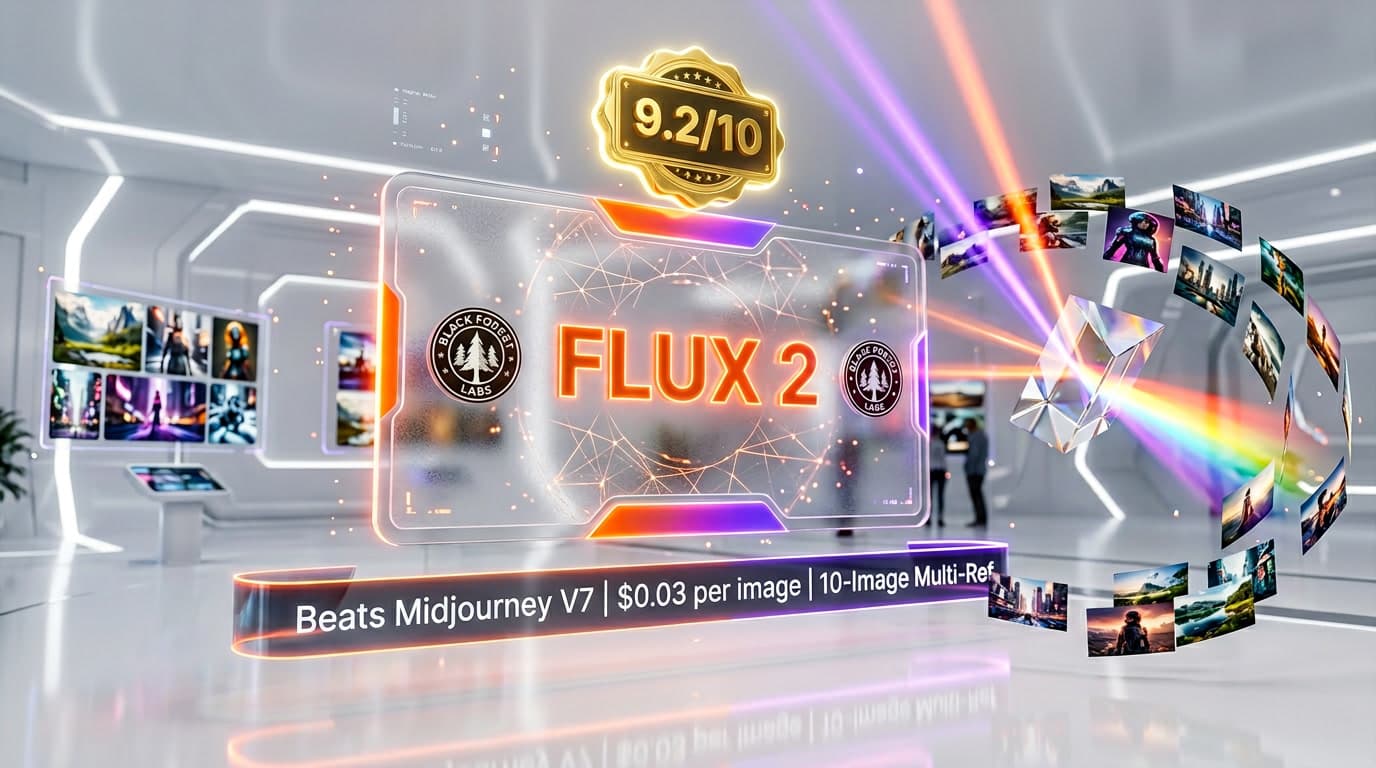
Flux 1.1 Pro is a strong contender at $0.04 per image via Replicate. Its photorealism is competitive (though a step below Banana Pro in our testing), text rendering is decent, and the open-weight model means you can self-host. Banana Pro's advantages: native 4K, better text accuracy, multi-turn editing, and Google's infrastructure. Flux's advantages: open weights, cheaper, and growing community. Black Forest Labs has since shipped FLUX 2, which widens that price gap rather than closing it: FLUX 2 versus Nano Banana Pro sets open weights and per-image cost against multilingual text accuracy and multi-subject consistency, and declares no overall winner.
vs Ideogram 3.0
Ideogram made its name on text rendering and was the first model to reliably place text in images. Ideogram 3.0 remains strong for typography-heavy designs. But Nano Banana Pro has caught up and surpassed it in text accuracy (94% vs ~90%), while offering vastly superior photorealism. Ideogram is still a solid choice for pure graphic design, but Pro now covers that use case and more.
vs Adobe Firefly 3
Adobe Firefly 3's strength is integration with the Creative Cloud suite — Photoshop, Illustrator, Express. For teams already in Adobe's ecosystem, Firefly is the natural choice. But standalone image quality lags behind Banana Pro, especially for photorealism. Firefly wins for Adobe users who need in-app generation. Banana Pro wins for standalone quality and API-first workflows.
vs Stable Diffusion 3.5 / SDXL
Stable Diffusion is the open-source champion — free to run, infinite customization with LoRAs and ControlNets, and a massive community. But it requires GPU infrastructure ($0.50-$2.00 per hour), significant setup time, and the base model quality is below Banana Pro for photorealism. SD wins for customization, privacy, and cost at extreme scale. Banana Pro wins for out-of-the-box quality and zero infrastructure.
| Model | Price/Image | Max Resolution | Text Accuracy | Photorealism | API Access |
|---|---|---|---|---|---|
| Nano Banana Pro | $0.134 | 4096px (4K) | 94% | Best-in-class | Yes |
| DALL-E 3 | $0.016-$0.120 | 1792px | ~83% | Good | Yes |
| Midjourney v7 | ~$0.01-$0.04 | 1024px | ~71% | Great (artistic) | No |
| Flux 1.1 Pro | $0.04 | 1024px | ~85% | Very good | Yes |
| Ideogram 3.0 | $0.08 | 2048px | ~90% | Good | Yes |
| Adobe Firefly 3 | Credits-based | 2048px | ~80% | Good | Via CC |
| Stable Diffusion 3.5 | Free (self-host) | 1024px | ~75% | Variable | Self-host |
Limitations and What's Missing
No Image Search Grounding
The most surprising omission. Nano Banana 2 can pull real-world visual references from Google Search during generation, making it exceptionally good at rendering real landmarks, famous people, and brand logos. Nano Banana Pro lacks this feature entirely. For use cases that require real-world accuracy (rendering specific buildings, products, or public figures), Nano Banana 2 is actually the better choice despite being the cheaper model.
Still in Preview
The model carries the "preview" suffix for a reason. We've experienced occasional rate limit changes, sporadic API errors during high-traffic periods, and features that appear in documentation before they're fully stable. Google has not committed to a general availability (GA) date. For production workloads, build in fallback logic (we route to Nano Banana 2 when Pro is unavailable).
Speed Tradeoff
At 8-12 seconds per image (2K) and 30-60 seconds (4K), Nano Banana Pro is the slowest in the family. Nano Banana 2 generates in 4-6 seconds, and the original Nano Banana runs in 3-5 seconds. For interactive applications where latency matters (real-time UI, chatbot responses), the speed gap is meaningful. For batch content pipelines, it's irrelevant.
Artistic Stylization Ceiling
Nano Banana Pro optimizes for photorealism, which means it's not the best choice for artistic, painterly, or heavily stylized outputs. Midjourney v7 consistently produces more visually striking artistic compositions. If your use case is editorial illustration, concept art, or creative branding with non-realistic aesthetics, Midjourney is still the tool to beat.
The Bottom Line
Nano Banana Pro is the best photorealistic AI image generator available today. Period. After generating thousands of images across every major model, we keep coming back to Banana Pro when photorealism, text accuracy, and resolution matter. The 4K native output, 94% text rendering accuracy, and reasoning-powered composition make it the obvious choice for professional creative work.
The premium pricing ($0.134 per image) is justified by the output quality — this isn't an incremental improvement over competitors, it's a generational leap in photorealism. The Google ecosystem integration (Workspace, Vertex AI, AI Studio) makes it seamless for enterprise teams. And the batch processing discount (50% off) makes production-scale usage practical.
That said, it's not for everyone. If you need artistic stylization, use Midjourney v7. If you need maximum volume at minimum cost, use DALL-E 3 or Nano Banana 2. If you need open-source flexibility, use Stable Diffusion. But if you need images that look real — and we mean genuinely, professionally, deceptively real — Nano Banana Pro is the only model we trust with our most important creative work.
Score: 9.3 out of 10. Best-in-class photorealism. The price of excellence.
Frequently Asked Questions
Is Nano Banana Pro better than DALL-E 3 and Midjourney v7 for photorealism?
Yes. In our head-to-head testing, Nano Banana Pro produces superior photorealism compared to both DALL-E 3 and Midjourney v7. It scores 94% text rendering accuracy versus Midjourney v7's 71% and DALL-E 3's 80-85%. It also generates natively at 4K (4096x4096) while DALL-E 3 caps at 1792x1024 and Midjourney v7 at 1024x1024. We scored it 9.3 out of 10 overall.
How much does Nano Banana Pro cost compared to DALL-E 3 and Flux 1.1 Pro?
Nano Banana Pro costs $0.134 per image at 1K-2K and $0.24 per image at 4K, with 50% batch discounts ($0.067 and $0.12 respectively). DALL-E 3 costs $0.04-$0.12 per image but caps at 1792px. Flux 1.1 Pro runs $0.04 per image via API at 1024px. Nano Banana Pro is the most expensive per-image but the only model delivering native 4K photorealism with near-perfect text rendering.
What are Nano Banana Pro's limitations?
Key limitations: no free API tier ($0.134 per image minimum vs $0.039 for Nano Banana original), slower generation times (8-12s at 2K, 30-60s at 4K vs Nano Banana 2's 4-6s), no Image Search Grounding (exclusive to Nano Banana 2), preview status with occasional API instability, and artistic/stylized outputs that lag behind Midjourney v7 for creative illustration work.
Who should use Nano Banana Pro?
Nano Banana Pro is best for creative agencies, e-commerce brands needing catalog-ready product shots, enterprise marketing teams, and developers who need photorealistic output with accurate text rendering. If you need marketing banners, social media graphics, or presentation slides with legible text directly from the model, Nano Banana Pro eliminates the Photoshop retouching step.
Does Nano Banana Pro integrate with Google Workspace?
Yes. Nano Banana Pro integrates deeply across Google Workspace including Google Slides, Google Vids, and NotebookLM. It also supports enterprise deployment via Vertex AI with VPC support. Google AI Studio offers free playground access with a 1,500 images per day limit for testing.
What is Nano Banana Pro's text rendering accuracy compared to Midjourney v7?
Nano Banana Pro achieves 94% text rendering accuracy on headlines, CTAs, and branded text — the highest in the industry. Midjourney v7 manages around 71%, and DALL-E 3 sits at 80-85%. Nano Banana Pro also handles multilingual text including Chinese, Japanese, Korean, and Arabic characters with minimal errors.
How does Nano Banana Pro compare to Stable Diffusion 3.5 for self-hosted use?
Stable Diffusion 3.5 is free to run locally but requires GPU infrastructure and caps at lower resolutions without upscaling pipelines. Nano Banana Pro at $0.134 per image delivers native 4K (4096x4096) with superior photorealism and 94% text accuracy out of the box. For teams without dedicated GPU infrastructure, Nano Banana Pro's API is more cost-effective than maintaining self-hosted SD hardware.
Can Nano Banana Pro edit existing images with natural language?
Yes. Nano Banana Pro supports multi-turn conversational editing — generate an image, then refine it with instructions like 'make the background a sunset' or 'change the font to bold serif.' It maintains subject identity across 5-6+ editing rounds. You can also feed up to 14 reference images for style transfer and brand guideline matching.
Key Features
Pros & Cons
Pros
- Best-in-class photorealism — nothing we've tested comes close for realistic images
- 94% text rendering accuracy — legible text in images without manual editing
- Native 4K resolution (4096x4096) — print-ready output directly from the API
- Multi-turn conversational editing — refine images with natural language follow-ups
- Up to 14 reference images for style transfer and precise control
- SynthID watermarking built-in for enterprise compliance and content provenance
- Deep integration across Google Workspace (Slides, Vids, NotebookLM)
Cons
- No free tier on the API — $0.134/image minimum versus $0.039 for Nano Banana original
- Slower generation (8-12s at 2K, 30-60s at 4K) compared to Nano Banana 2's 4-6 seconds
- No Image Search Grounding — that feature is exclusive to Nano Banana 2
- Preview status means occasional API instability and rate limit changes
- Artistic/stylized outputs lag behind Midjourney v7 for creative illustration work
Best Use Cases
Platforms & Integrations
Available On
Integrations
Compare Nano Banana Pro

We're developers and SaaS builders who use these tools daily in production. Every review comes from hands-on experience building real products — DealPropFirm, ThePlanetIndicator, PropFirmsCodes, and many more. We don't just review tools — we build and ship with them every day.
Written and tested by developers who build with these tools daily.
Frequently Asked Questions
What is Nano Banana Pro?
Google's most powerful AI image generation model — state-of-the-art photorealism, 4K native, 94% text accuracy
How much does Nano Banana Pro cost?
Nano Banana Pro costs $0.13/month.
Is Nano Banana Pro free?
No, Nano Banana Pro starts at $0.13/month.
What are the best alternatives to Nano Banana Pro?
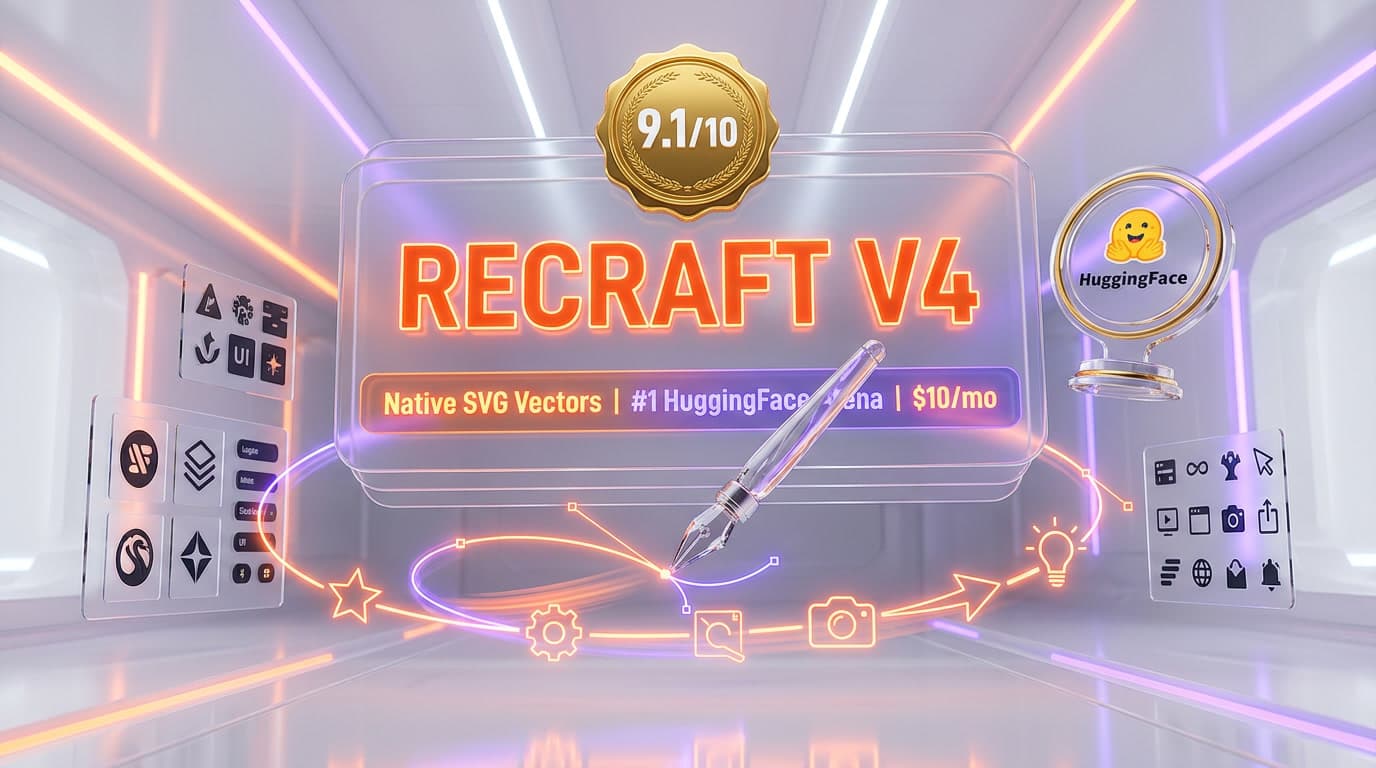
Top-rated alternatives to Nano Banana Pro include FLUX 2 (9.2/10), Recraft V4 (9.1/10), Nano Banana 2 (9/10), Reve 2.0 (9/10) — all reviewed with detailed scoring on ThePlanetTools.ai.
Is Nano Banana Pro good for beginners?
Nano Banana Pro is rated 9/10 for ease of use.
What platforms does Nano Banana Pro support?
Nano Banana Pro is available on Web, API, Google Cloud, Google Workspace.
Does Nano Banana Pro offer a free trial?
Yes, Nano Banana Pro offers a free trial.
Is Nano Banana Pro worth the price?
Nano Banana Pro scores 9/10 for value. We consider it excellent value.
Who should use Nano Banana Pro?
Nano Banana Pro is ideal for: Product photography and e-commerce visuals, Marketing materials with accurate text overlays, Enterprise presentation design via Google Slides, Print-ready 4K assets for packaging and billboards, Multi-turn creative iteration for brand campaigns, Technical documentation with precise diagrams, Social media content at scale with consistent branding, Infographic generation with readable data visualizations.
What are the main limitations of Nano Banana Pro?
Some limitations of Nano Banana Pro include: No free tier on the API — $0.134/image minimum versus $0.039 for Nano Banana original; Slower generation (8-12s at 2K, 30-60s at 4K) compared to Nano Banana 2's 4-6 seconds; No Image Search Grounding — that feature is exclusive to Nano Banana 2; Preview status means occasional API instability and rate limit changes; Artistic/stylized outputs lag behind Midjourney v7 for creative illustration work.
Best Alternatives to Nano Banana Pro
Ready to try Nano Banana Pro?
Start your free trial
Try Nano Banana Pro Free →