Tech news, AI analysis, tutorials, and opinion pieces.
165 articles available
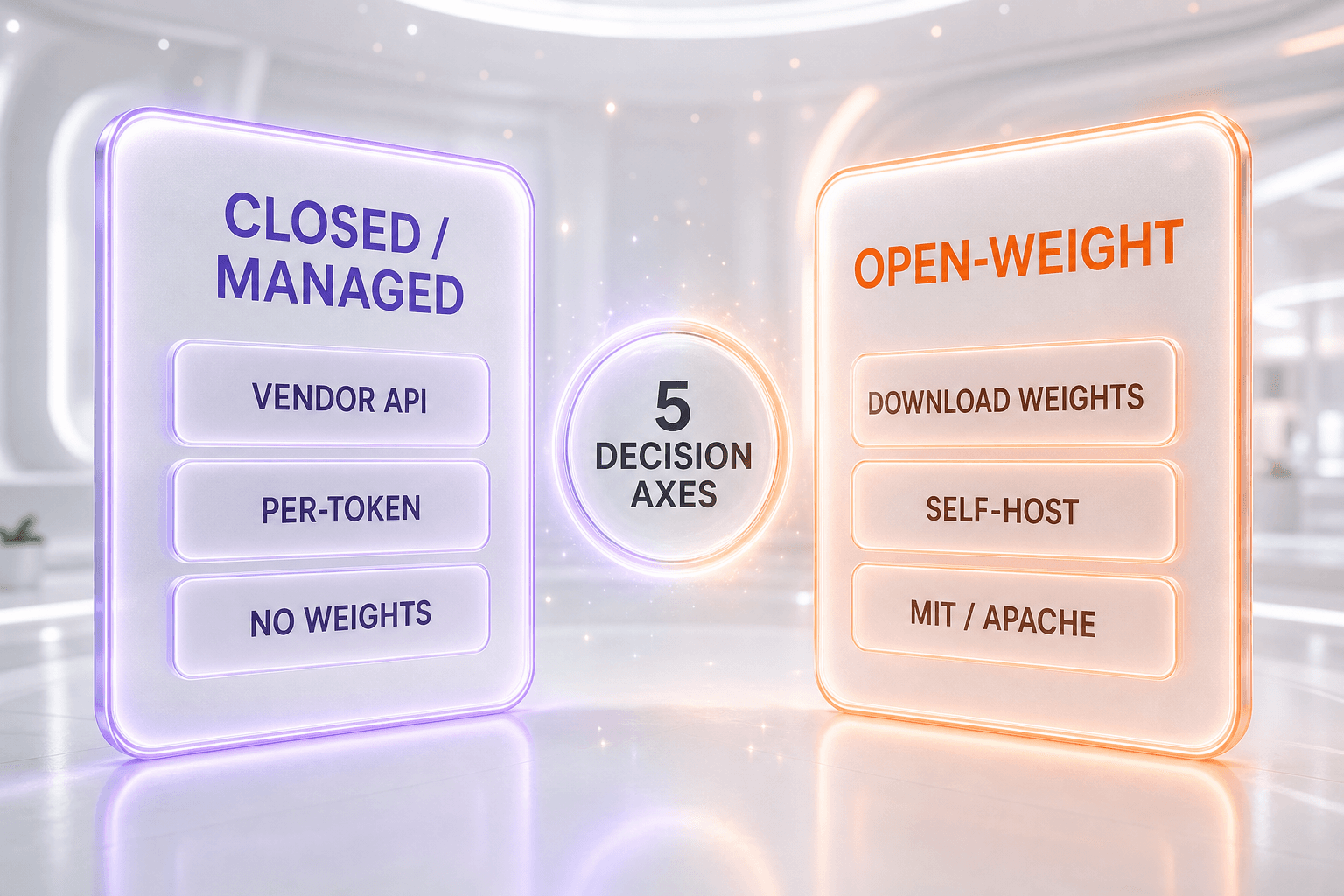
Closed vs open-weight AI models come down to who holds the weights. This decision grid weighs cost, control and data residency, security, ecosystem, and performance parity, then maps concrete usage profiles to the right choice.
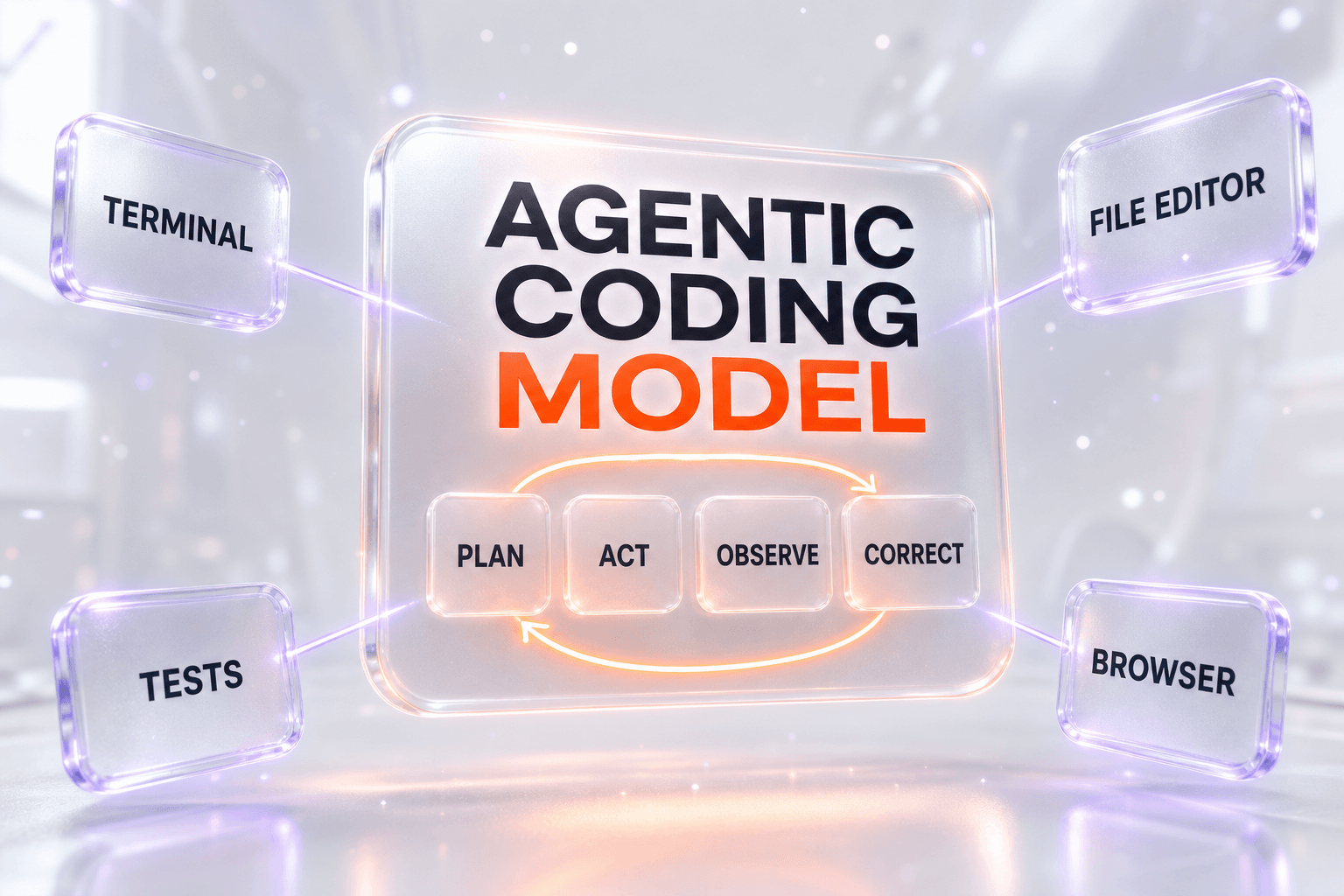
An agentic coding model is an AI that plans a task, uses tools, drives a terminal or browser, edits a real codebase across many steps, and self-corrects until the goal is done. A chatbot answers one prompt; autocomplete finishes a line. This is the founding distinction of the 2026 coding-model era.
At its FORCE conference on June 23, 2026, ByteDance shipped four AI models in one day: Doubao Seed 2.1, Seedance 2.5 video, Seedream 5.0 Pro, and Seed Audio 1.0. Here is what is real, what is beta, and what to watch.
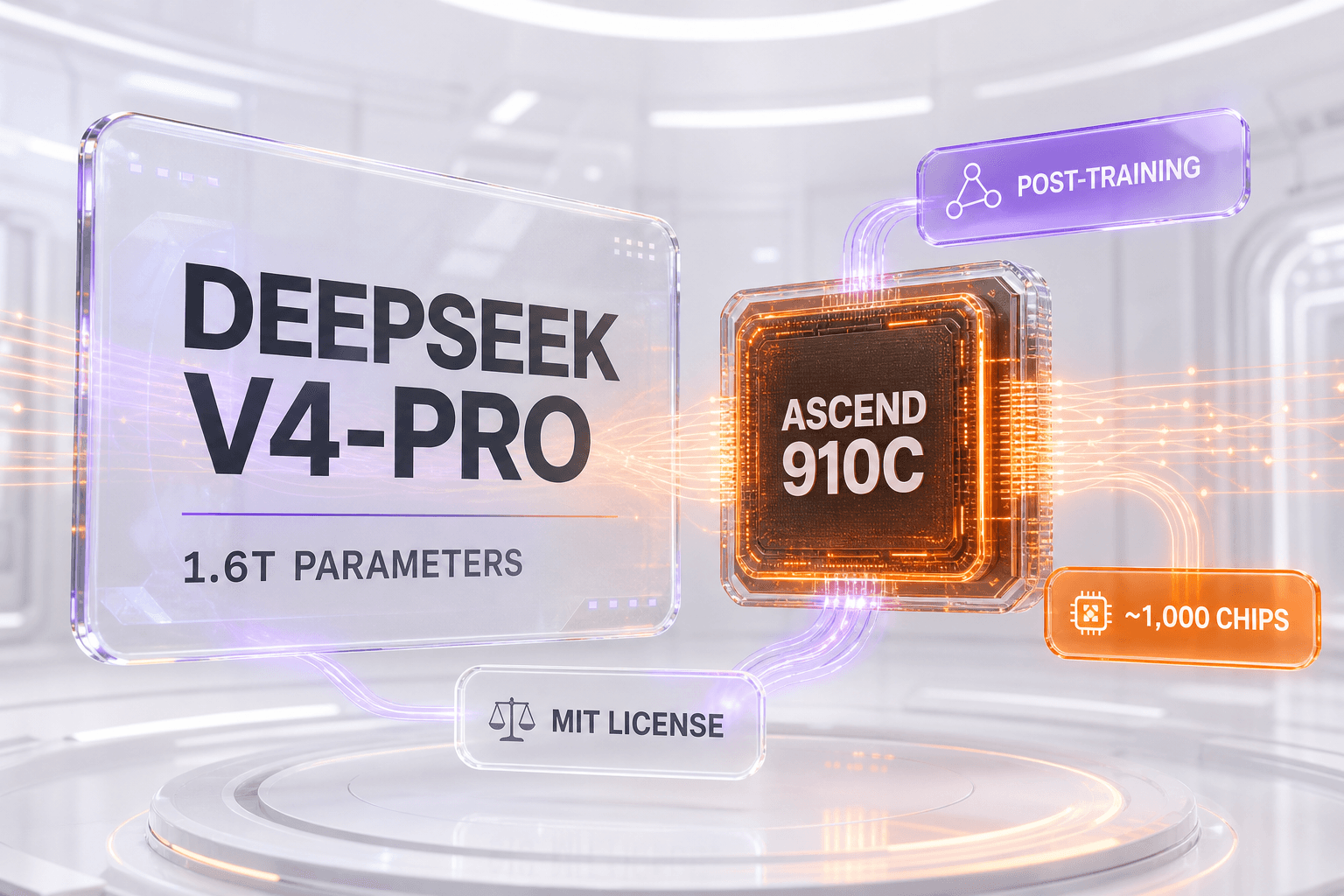
A Huawei-led team post-trained DeepSeek V4-Pro (1.6T params) on roughly 1,000 Ascend 910C chips, per the Shenzhen government. But "the first frontier model trained without NVIDIA" is a myth: post-training is not pre-training, and DeepSeek reportedly still finds Ascend unattractive for training from scratch.
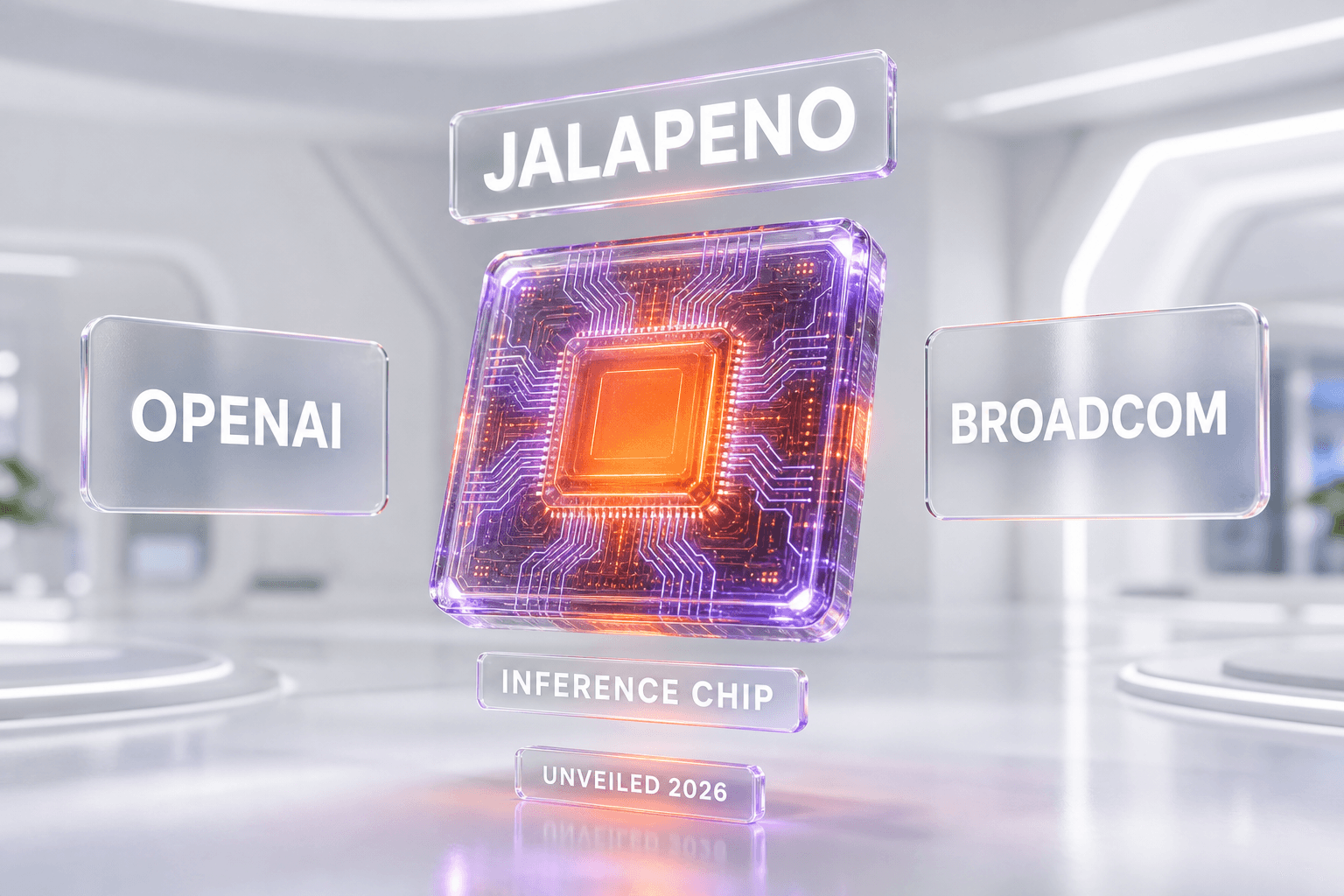
OpenAI's Jalapeño is its first custom chip — an inference accelerator built with Broadcom, unveiled June 24 2026. Inference only; pre-training stays on NVIDIA. Unveiled, not shipping. Here's why it matters.
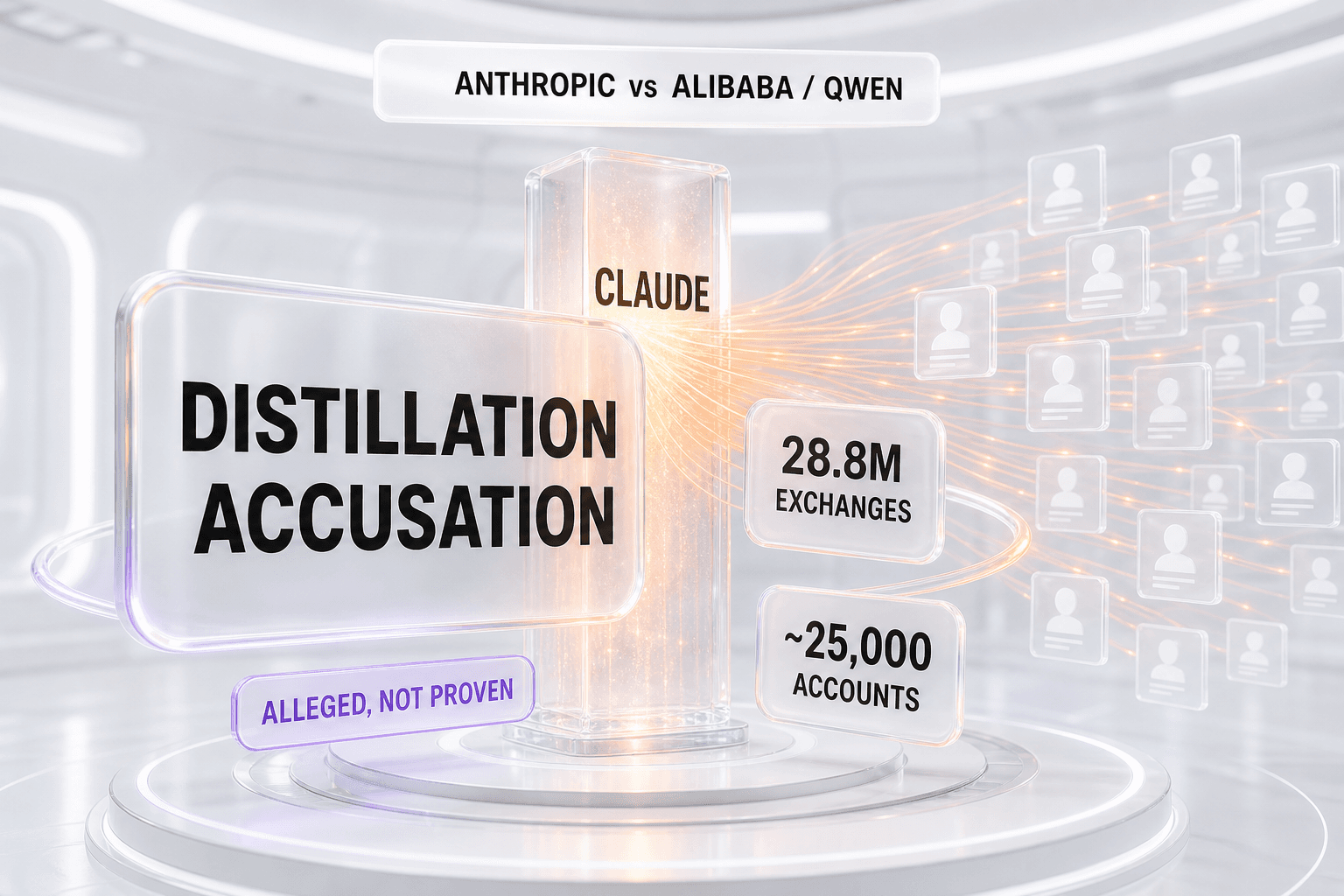
Anthropic accuses operators tied to Alibaba and Qwen of the largest known distillation attack on Claude — 28.8M exchanges via ~25,000 fraudulent accounts. It's an accusation in a Senate letter, not a lawsuit.
Micron’s FQ3 2026: $41.46B revenue (+346% YoY), record 84.6% GAAP gross margin, $50B FQ4 guidance, and 14 of 16 strategic agreements locking ~$100B in minimum contracted revenue. The AI memory tax is now an order book.
Midjourney unveiled its first hardware product — a full-body ultrasonic scanner that images the body in ~60 seconds with no radiation or magnets. It is a first-gen prototype with no FDA clearance, built on a licensing deal with Butterfly Network. Not an image-generation product.
Starting July 8, 2026, Anthropic can ask a small subset of flagged Claude accounts — not everyone — for a government ID and a selfie via Persona. The facial geometry data is not used to train models, and flagged users can appeal.
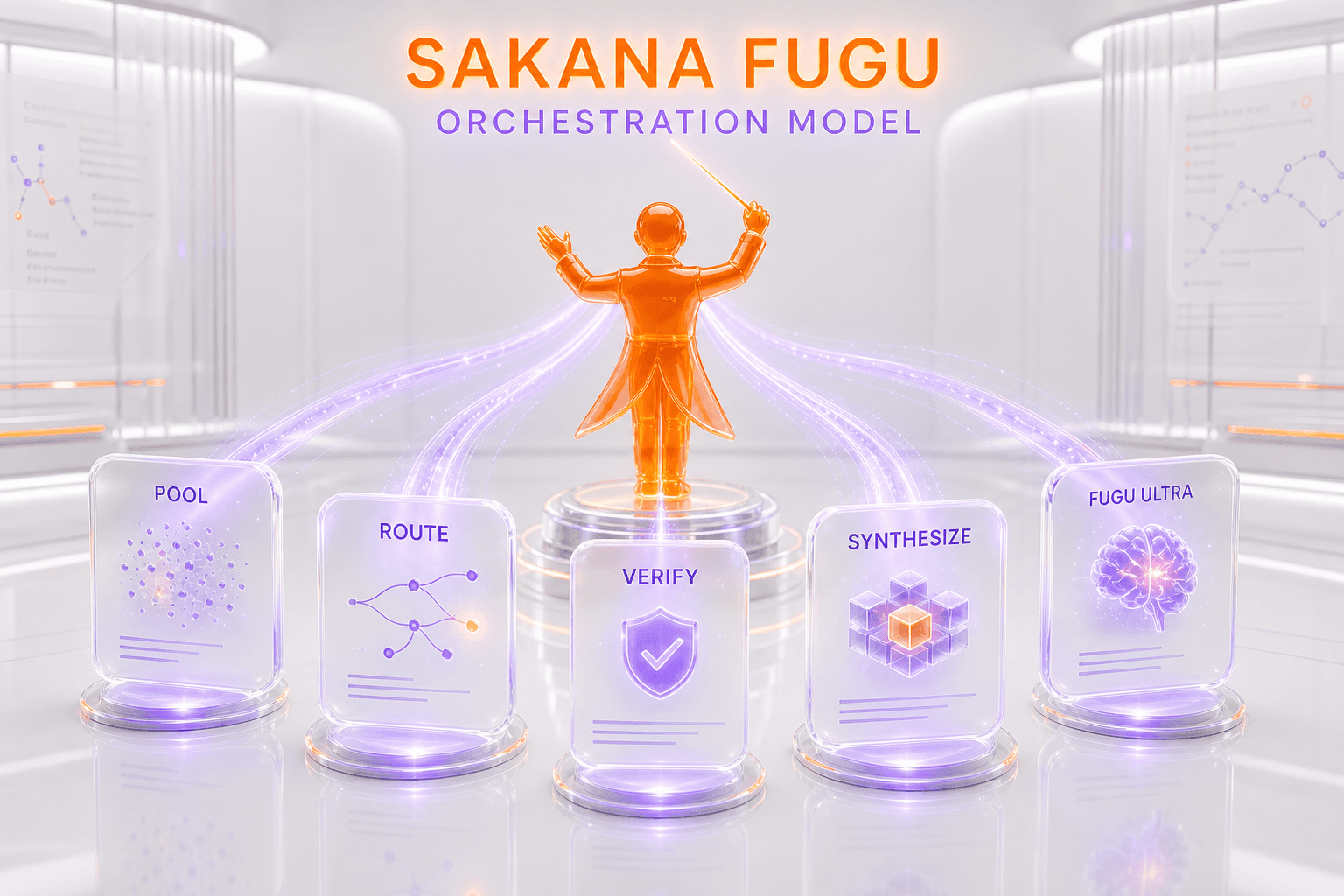
Sakana AI launched Fugu and Fugu Ultra on June 22, 2026 — a multi-LLM orchestration system, not a bigger model, that routes tasks across a swappable pool of frontier LLMs via one OpenAI-compatible API. The pitch: a hedge against export controls that put Fable 5 and Mythos out of reach.
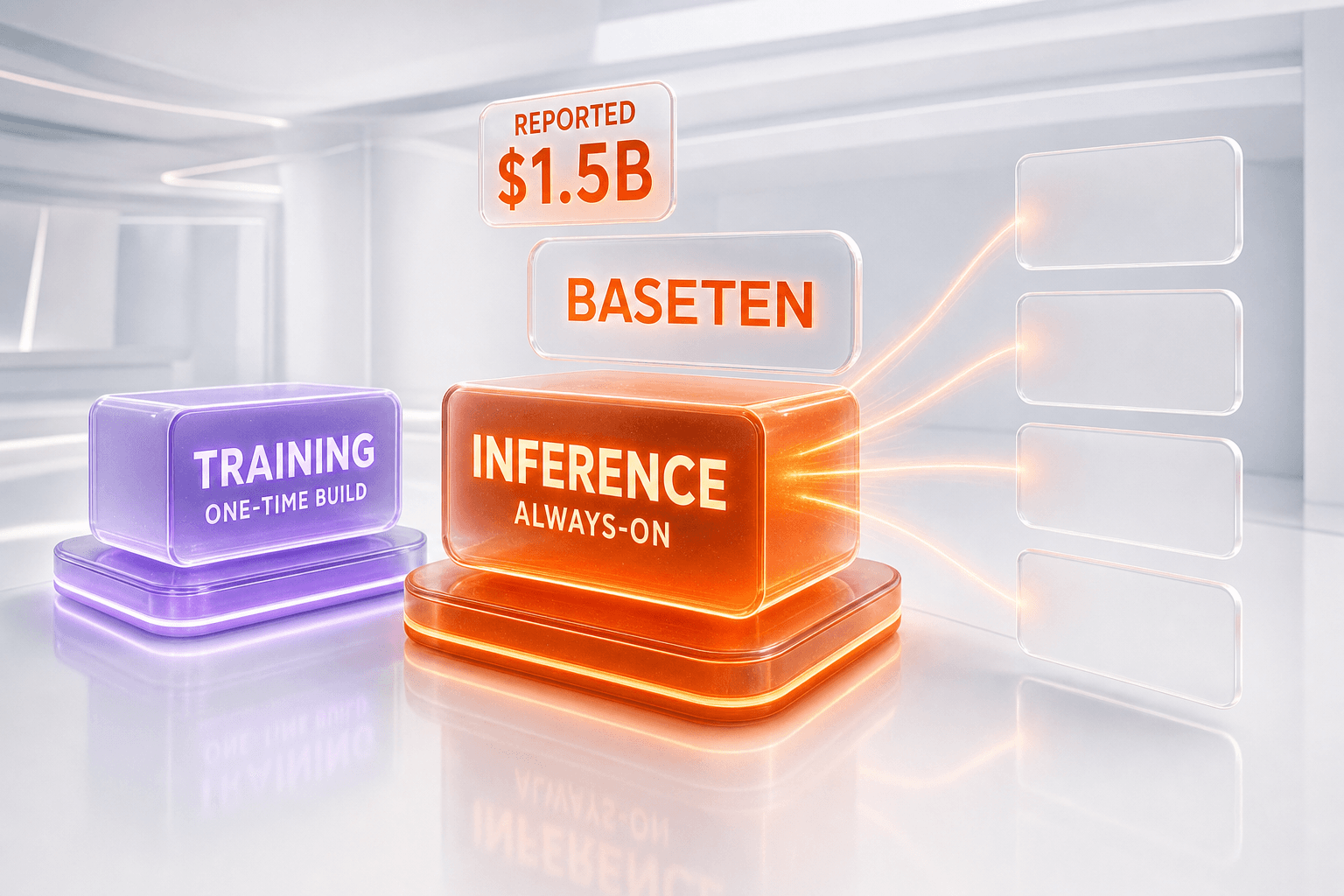
AI inference — running trained models to answer live requests — is becoming its own infrastructure market in 2026, separate from training. Baseten is reportedly close to a ~$1.5B round near an $11B-$13B valuation, a 160% jump in five months. We break down why.
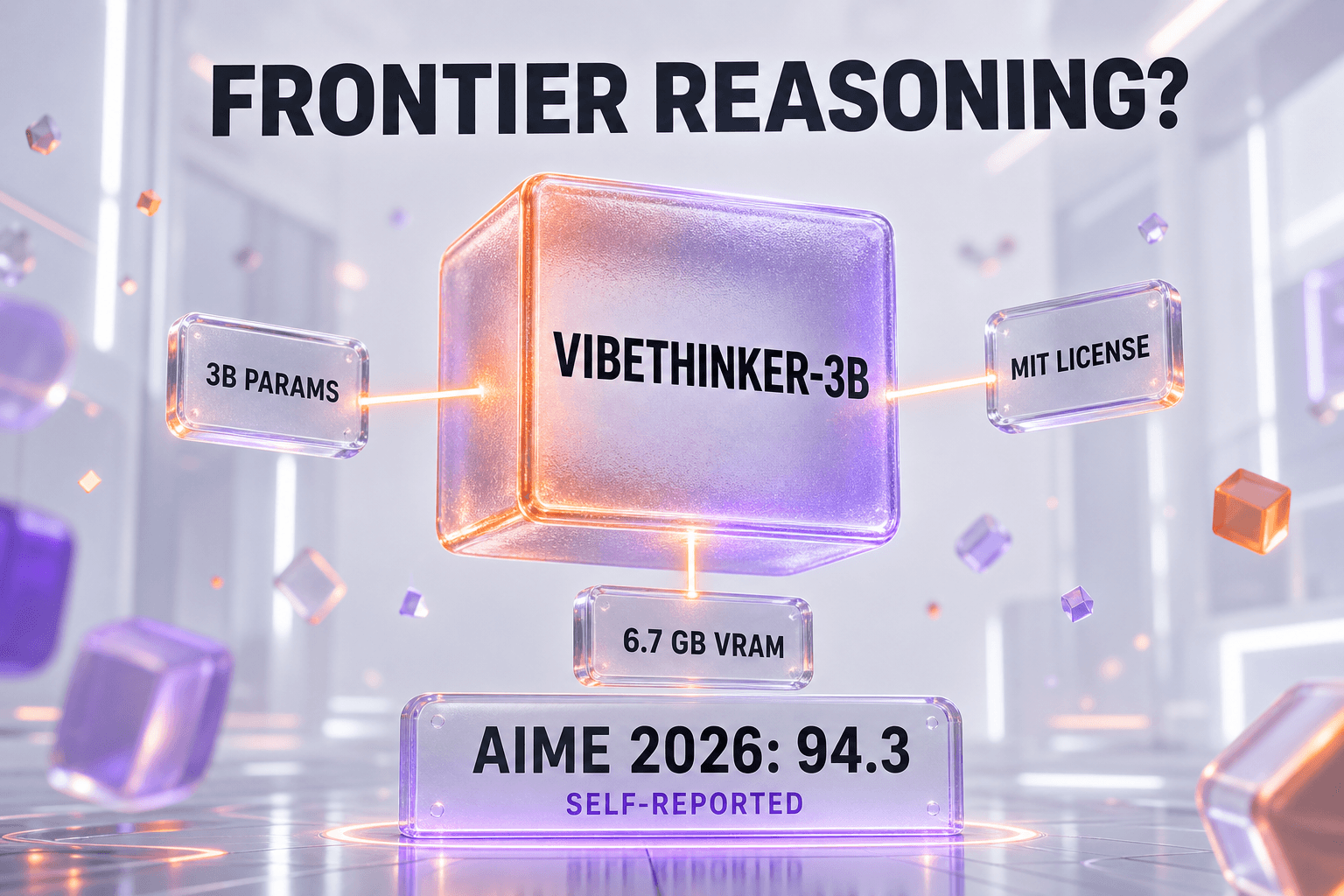
VibeThinker-3B is a 3.1B open-weight, MIT-licensed reasoning model from Weibo AI that self-reports 94.3 on AIME 2026 and runs in 6.7 GB VRAM. The catch: the scores are self-reported, and it is a verifiable-reasoning specialist, not a generalist.